+34 620 10 75 37info@nanbiosis.com

News U12

News U12

New Scanning Electron Microscope and on line Seminar to explain it for internal and external accesses on NANBIOSIS U12

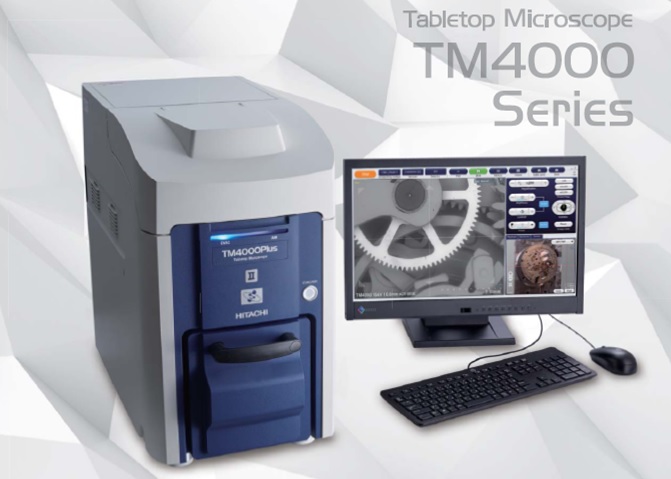
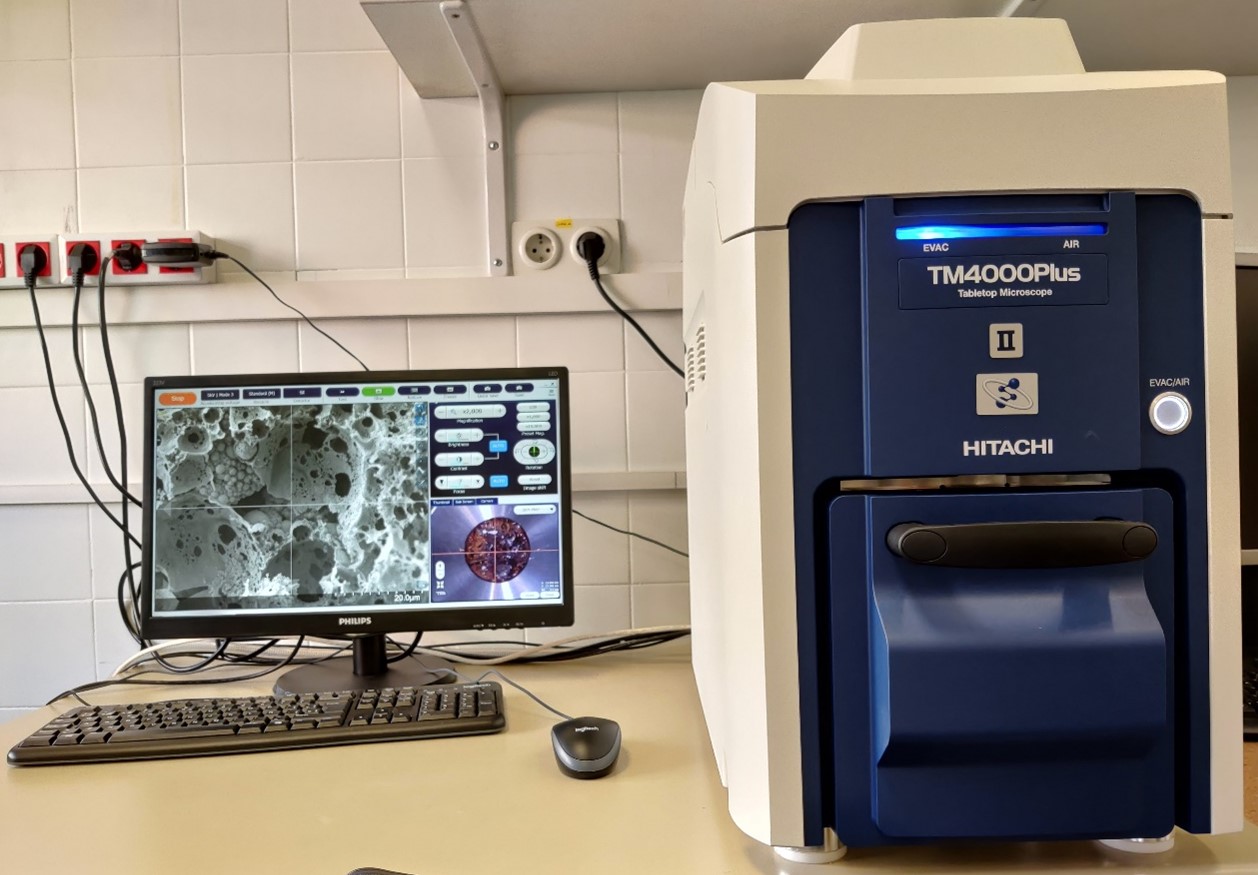
A new Scanning Electron Microscope (Hitachi TM-4000 Plus II) has been installed at the Nanostructured liquid characterization unit of NANBIOSIS ICTS (Unit 12) of CIBER-BBN and IQAC-CSIC.

An online seminar will be given by Susana Vilchez on January 14th at 12h to explain the various features, functions and capabilities of this new instrument, Tabletop Scanning Electron Microscope Hitachi TM-4000 Plus II, that is open for both internal and external users.

Those interested in attending the seminar can contact unit 12 of NANBIOSIS:

Read More

NANBIOSIS U12 expands its capabilities with a new SEM for morphological and dimensional characterization of solid samples

The U12 of NANBIOSIS (Nanostructured liquid characterization unit) has expanded its capabilities with a new equipment U12-E22. SEM Hitachi TM4000Plus II for morphological and dimensional characterization of solid samples

Low vacuum Scanning Electron Microscopy with two electron detectors (secondary, SE, and backscattered, BSE). SE imaging provides a detailed information of the morphology of the sample and BSE gives information about the different components of the sample, based on the different atomic number (the higher the atomic number, the brighter the surface).

The equipment can apply different vacuum levels (using a turbo molecular pump) with accelerating voltages between 5 and 20 kV and magnifications from 10x to 100,000x. Specimens with size up to 80 mm diameter and/or 50 mm thickness can be characterized and samples.

Conductive and non-conductive samples can be characterized with little or no previous preparation. The software enables image processing of micrographs, for instance, measuring the size of solid particles after the acquisition of images.

SEM analysis is very useful in several fields:

  • Life sciences, for the topographical and morphological characterization of tissues, hairs, fibers, etc.
  • Materials science, for quality control and failure analysis. Morphological properties are quite important in the research of innovative materials. In addition, the characterization of the surface is a key factor in porous materials used for delivery systems.
  • Semiconductor inspection and microchip assembly, to analyse the topography and to investigate the effectiveness of production methods.

The equipment has been financed by CSIC and with funds of the research group coordinanting the unit from CIBER-BBN and IQAC-CSIC, led by Carlos Rodriguez-Abreu

Read More

NANBIOSIS U12 researchers modify contact lenses to reduce the risk of bacterial infection

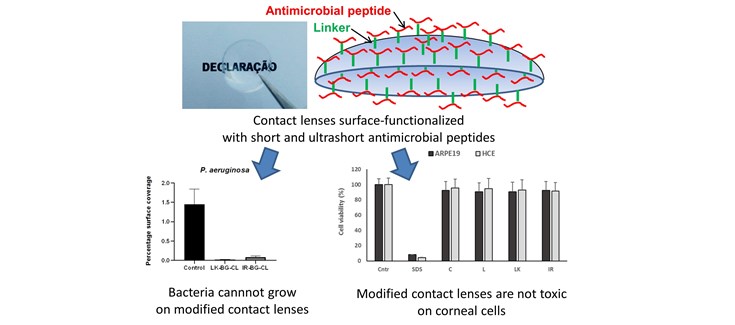
Researchers from NANBIOSIS U12 Nanostructured liquid characterization unit, from CIBER-BBN at the IQAC-CSIC have chemically modified contact lenses, incorporating antibacterial properties. Contact lenses, especially soft ones, pose a risk of ocular microbial infection that can eventually lead to loss of vision.

“These new contact lenses inhibit the formation of bacterial biofilms and could prevent ocular keratitis” explains Jordi Esquena, a researcher at the CIBER-BBN at the IQAC-CSIC and one of the coordinators of the work.

In the study, published in Colloids and Surfaces B: Biointerfaces, bactericidal activity was introduced into hydrogel contact lenses, through antimicrobial peptides that were anchored on the lens surface. The publication describes the obtaining, efficacy and biocompatibility of these contact lenses.

“We have been able to show that peptide functionalized contact lenses can dramatically reduce bacterial adhesion and viability when exposed to Pseudomonas aeruginosa and Staphylococcus aureus,” explains Dr. Esquena.

The authors conclude that these systems offer the potential to minimize corneal bacterial infection and represent a suitable platform for future ophthalmic devices.

The characterization of functionalized contact lenses and the studies by fluorescence optical microscopy were carried out mainly in the Nanostructured Liquids Characterization Unit (U12) of the ICTS NANBIOSIS.

Article of reference:

Emiliano Salvagni, Clara García, Àngels Manresa, Claudia Müller-Sánchez, Manuel Reina, Carlos Rodríguez-Abreu, Maria José García-Celma, Jordi Esquena. Short and ultrashort antimicrobial peptides anchored onto soft commercial contact lenses inhibit bacterial adhesión.https://doi.org/10.1016/j.colsurfb.2020.111283

Read More

A Concise Review on Nano-emulsion Formation by the Phase Inversion Composition (PIC) Method

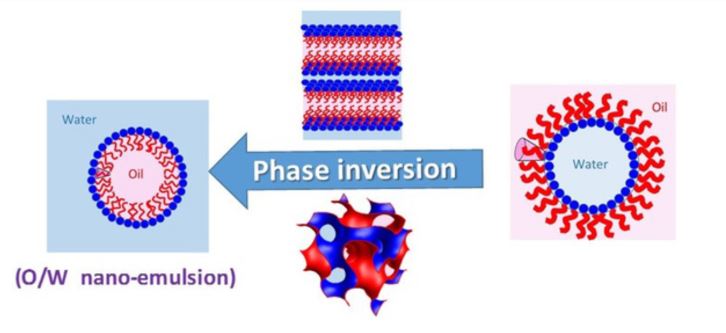
Researchers of NANBIOSIS U12. Nanostructured liquid characterization unit from CIBER-BBN and IQAC-CSIC have recently published an interesting review entitled “A Concise Review on Nano-emulsion Formation by the Phase Inversion Composition (PIC) Method” in the JOURNAL OF SURFACTANTS AND DETERGENTS. https://doi.org/10.1002/jsde.12414

Studies of phase behavior and particle sizing were performed at the Nanostructured Liquid Characterization Unit, member of the NANBIOSIS ICTS.

Read More

Ethylcellulose nanoparticles as new “in vitro” tool for cell transfection

Researchers of NANBIOSIS U12 Nanostructured liquid characterization unit and U29 Oligonucleotide Synthesis Platform (OSP) of CIBER-BBN at IQAC-CSIC have obtained successfully ethylcellulose nanoparticles with positive zeta potential formed from nano-emulsion complexation with an antisense oligonucleotide which result very promising complexes for “in vitro” cell transfection.

A new non-viral gene delivery vector has been developed, based on ethylcellulose, an easily available and low cost carbohydrate polymer, “generally recognized as safe” by the FDA. Although ethylcellulose is nonionic, positively charged nanoparticle dispersions have been obtained using nano-emulsion templates in cationic:non-ionic surfactant-based systems. The nanoparticles have been successfully complexed with negatively charged phosphorothioate antisense oligonucleotides. These short nucleic acid chains are advantageous as they show improved cell penetration ability and higher resistance to degradation by nucleases. The nanoparticle:oligonucleotide complexes obtained show suitable transfection efficiency and are promising for “in vitro” gene transfection purposes.

This research has been developed through the close collaboration between the Colloidal and Interfacial Chemistry group led by Dr. Carlos Rodríguez Abreu, and the Nucleic Acids Chemistry group led by Dr. Ramon Eritja as well as the NANBIOSIS U12 and U29 Units. Both groups belong to the Institute of Advanced Chemistry of Catalonia (IQAC-CSIC) and the CIBER-BBN.

Article of reference: Leitner, S.; Grijalvo, S.; Solans, C.; Eritja, R.; Garcia-Celma, M. J.; Caldero, G., Ethylcellulose nanoparticles as a new “in vitro” transfection tool for antisense oligonucleotide delivery CARBOHYDRATE POLYMERS 229,1, 115451, 2020; DOI: 10.1016/j.carbpol.2019.115451

Read More

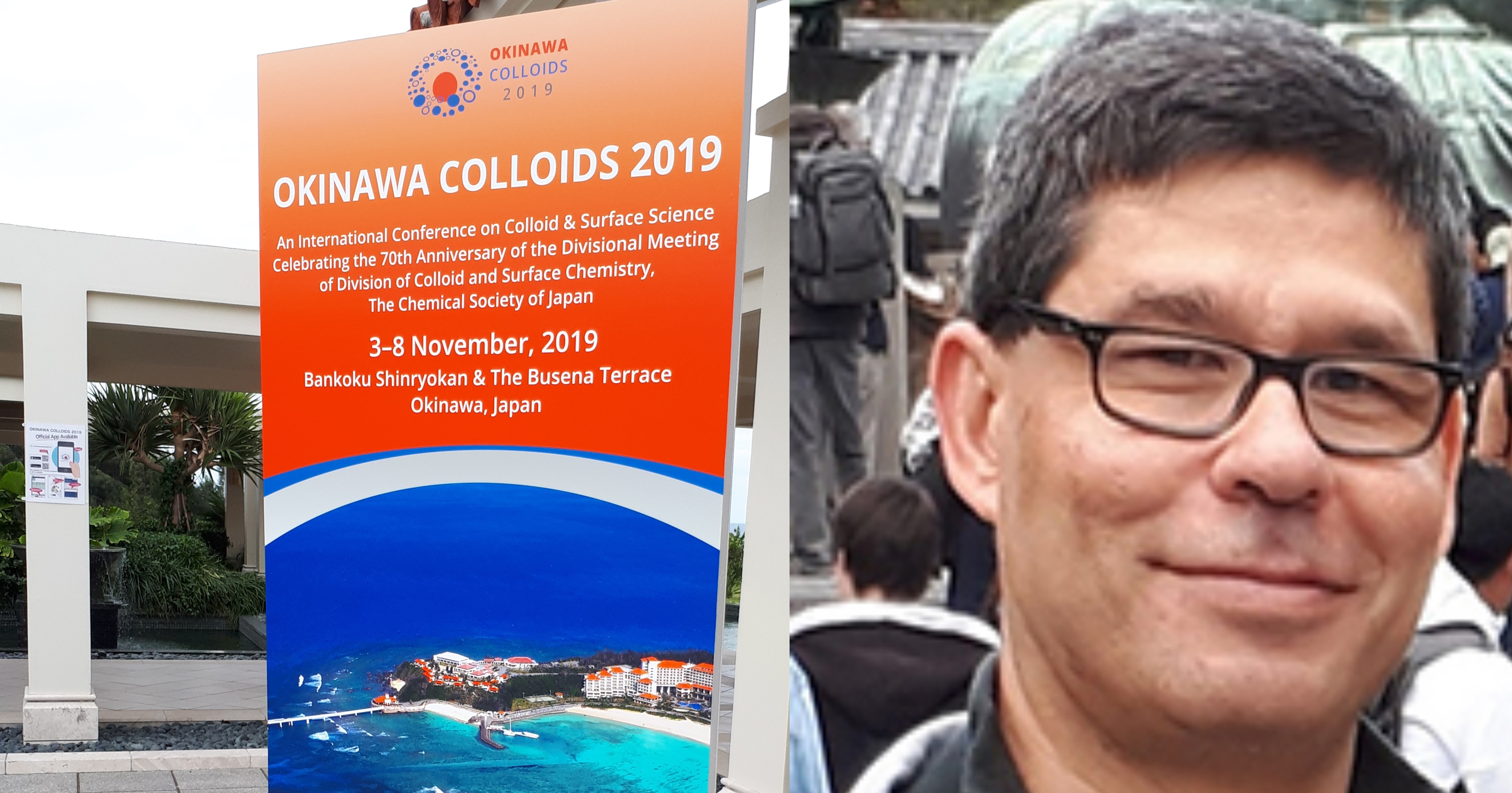
Carlos Rodriguez-Abreu (NANBIOSIS U12) keynote speaker in OKINAWA COLLOIDS 2019


Carlos Rodriguez-Abreu, Scientific Director of NANBIOSIS U12 Nanostructured liquid characterization unit has been invited speaker at OKINAWA COLLOIDS 2019 conference in Okinawa, Japan on November 3 to 8, 2019 in the session Foams / Bubbles / Emulsions and Microemulsions.
Foams and emulsions stabilized by surfactants, amphiphilic polymers and solid particles are essential formulations for developing pharmaceuticals, cosmetics, foods and so on. Recently, many functional systems have been proposed including stimuli responsive materials, biocompatible materials, and environmental affinity materials. The topics of this session include a wide range of subjects: physical properties, phase behaviors and new functions of these systems.

Read More

Formulation of emulsions: Science behind cosmetics at COSMETORIUM

Carlos Rodríguez-Abreu, Scientific Director of NANBIOSIS Unit 12 Nanostructured liquid characterization unit, from Institute of Advanced Chemistry of Catalonia, Higher Council for Scientific Research (IQAC-CSIC) and CIBER of Bioengineering, Biomaterials and Nanomedicine (CIBER-BBN) has participated in the fourth edition of COSMETORIUM, given a talk on “Recent advances in the formulation of emulsions”

The fair of Cosmetorium, which was held at the Palau de Congresos de Barcelona on October 23 and 24, is organized by the Spanish Society of Cosmetic Chemists (SEQC), begun with keynote conferences and a scientific program, which examined the key problems facing the cosmetic and personal care industry, on issues such as global regulatory problems and science technology.

COSMETORIUM is a forum on creation, formulation, manufacture and distribution of cosmetic products, ranging from the development of the idea of a product until its arrival to consumers that highlighs the importance of Spain as a center of excellence in the cosmetic industry. In fact, Cosmetorium has joined the Formulating Cosmetics & Making Cosmetics series of events that have achieved great success in Italy and the United Kingdom, with over a thousand attendees.

Read More

NANO TECHNOLOGIES AND MICROENCAPSULATION course

Next October 15-18, the researchers of NANBIOSIS U12, Nanostructured liquid characterization unit, are giving a course on Nano Technologies and Microencapsulation organized by CSIC General Foundation and CUIMPB – Center Ernest Lluch of the Menéndez Pelayo International University (UIMP) in Barcelona.

The nano- and microencapsulation consists in the protection of active substances inside nano- and microcarriers, particularly labile molecules, improving their stability, with the aim of transporting them and achieving their controlled release. This topic is the subject of great interest in numerous fields and industrial applications. It is known that the performance efficiency of an active substance greatly increases with its encapsulation, depending on the size of the capsules, their transfer surface and the permeability properties of said capsules. In addition, the capsules can be directed specifically inside an organism, using suitable vectors.
The object of the course is to provide attendees with the basics of micro- and nanoencapsulation techniques, including fundamentals and preparation methods, as well as innovative applications in the chemical, cosmetic and pharmaceutical fields, among others.

The registration form and detailed information can be found on the CUIMPB website

Read More

3D cross-correlation dynamic light scattering (DLS) spectrometer of NANBIOSIS U12 has been upgraded

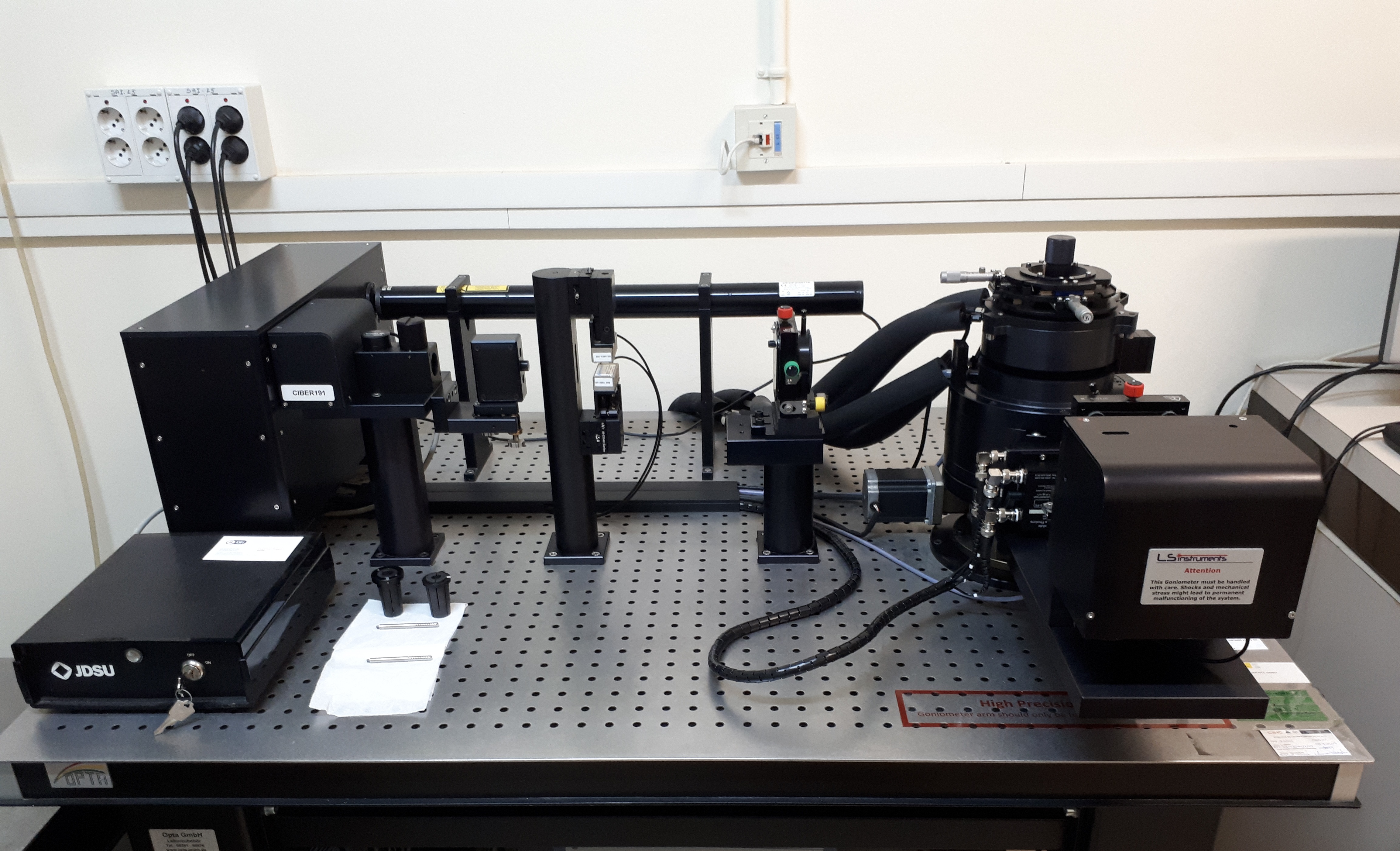
The 3D cross-correlation dynamic light scattering (DLS) spectrometer of NANBIOSIS U12 Nanostructured liquid characterization unit has been upgraded with a new goniometer and last generation laser detectors and beam splitters that allow to extend the scattering angle detection range to 10-150 degrees, and enables measurements in shorter scattering lengths for highly turbid and/or concentrated samples. Non-ergodic samples (e.g. gels) can also be measured with the new configuration

The upgrade has been funded by CSIC through the grant “Special fund for the support of Scientific and Technical Services 2018” (02045)

Read More

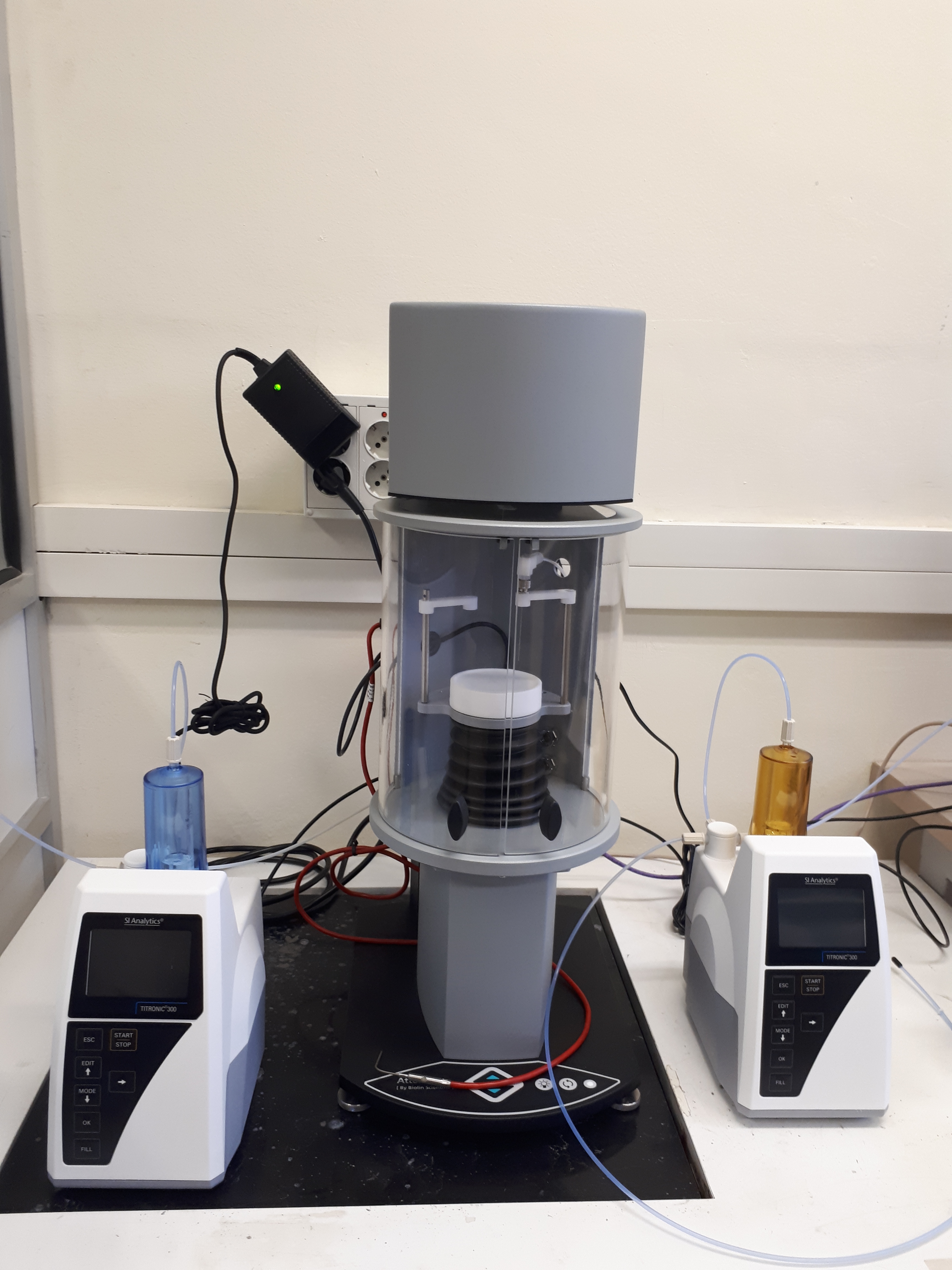
New tensiometer for NANBIOSIS Unit 12

The new Biolin Sigma 701 has replaced the previos KSV Sigma 700. in the equipment of NANBIOSIS U12 Nanostructured liquid characterization unit

With this new tensiometer automated and high precision measurement of surface and interfacial tensions, contact angles and critical micelle concentrations will be obtained.

The purchase of the new tensiometer has been co-funded by the CSIC through a grant received from the Scientific and Technical Services support (MEC1372).

Read More