+34 620 10 75 37info@nanbiosis.com

Nanbiosis

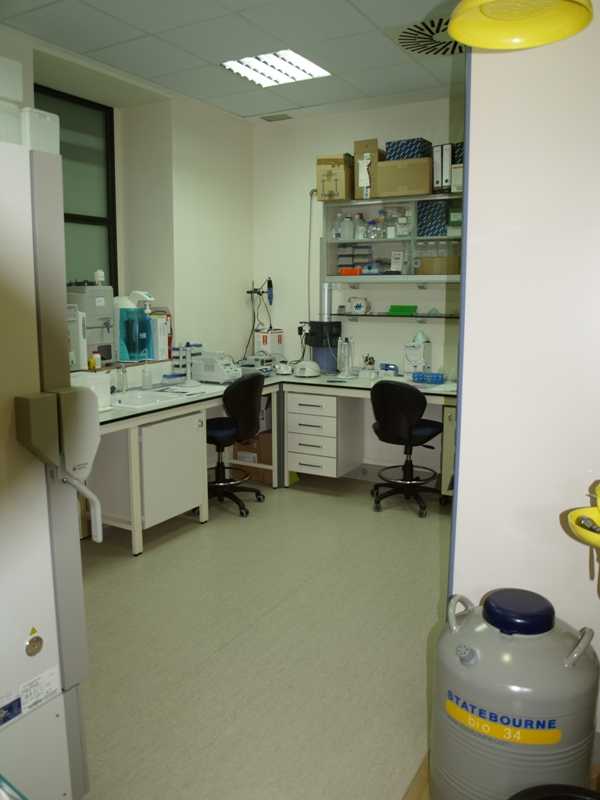
U16. Surface Characterization and Calorimetry Unit
Ciber bbn

U16. Surface Characterization and Calorimetry Unit

  • Scientific Director: Prof. M Luisa González Martín mlglez@unex.es
  • Scientific Coordinator: Prof. M Luisa González Martín mlglez@unex.es
  • Entities: Universidad de Extremadura
  • Address: Avda Elvas, S/N, 06006, Badajoz, Spain
  • Phone: +34 924 289 532
  • Web: WEB
UEX
Order request

Description

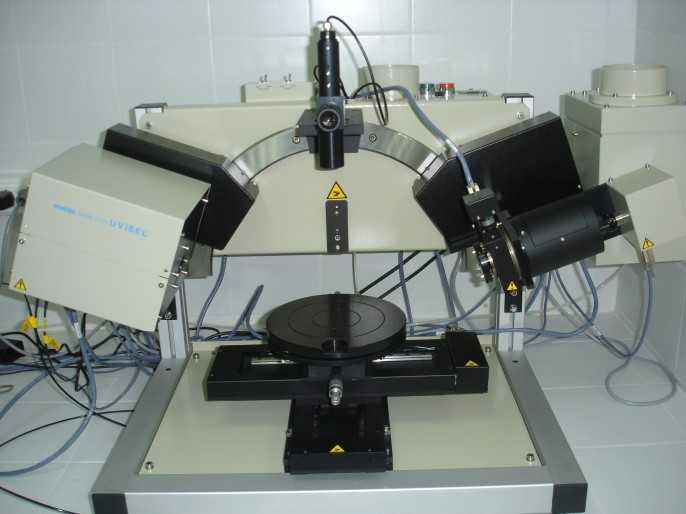
The purpose of this Unit is to give support for the analysis of surface composition to researchers. This facility allows a broad knowledge about the chemistry of surfaces by the combination of the information of elements presents and their coordination state, given by the XPS technique, and the molecular structure of surface provided by the ToF-SIMs equipment. Its capabilities permit to work with extended and powdered solids, including those from biological origin as cells and bacteria. The characteristics of thin films on surfaces, as thickness, composition or electrical conductivity, can be also analyzed in this unit by spectroscopic ellipsometry. In addition, calorimetric analysis can be performed to test surface reactivity on powdered solids. ITC calorimetry facility is also under the Unit scheme.

Surface analysis laboratory fulfils the ISO9001:2008 (ES050823-1).  Nanbiosis- U16-logo-ISO9001
Active projects

TitleFundin: OrganismCall: Funding source Role
SAF2017-90810-REDIStrategic Promotion and coordinated management of Nanbiosis: Pronanbiosis IIAgencia Estatal de Investigación (AEI)Acciones de dinamización «REDES DE EXCELENCIA» -ICTS 2017Partner
PICCOLO-732111Multimodal highly-sensitive PhotonICs endoscope for improve in vivo COLOn Cancer diagnosis and clinical decision supportEuropean Commission-H2020H2020-ICT-2016-1Partner
0624_2IQBIONEURO_6_EPromotion of an R&I network in biological chemistry for the diagnosis and treatment of neurological diseasesEuropean Union Interreg : European Territorial Co-operationPOCTEP Interreg España-PortugalPartner

Other projects

RefTitleFunding OrganismUnit Role
MAT2015-63974-C4-3-RSUPERFICIAL CHARACTERIZATION AND MICROBIAL ADHESION OF BIODEGRADABLE AND BIOREABSORBIBLE MATERIALS MAGNESIUM BASE FOR BONE REPAIRMINISTERIO DE ECONOMÍA Y COMPETITIVIDADWorking package
MAT2015-63974-C4-4-RFORMATION OF MICROBIAL BIOFILMS ON BIODEGRADABLE AND BIOREABSORBABLE MG MATERIALS FOR BONE REPAIR AND BIOCOMPATIBILITY OF THESE IN EXPERIMENTATION ANIMALSMINISTERIO DE ECONOMÍA Y COMPETITIVIDADParticipant
MAT2014-52905-REDTRESEARCH NETWORK FOR THE DEVELOPMENT OF FUNCTIONALIZED TITANIUM IMPLANTSMINISTERIO DE ECONOMÍA Y COMPETITIVIDADOberver
PCIN-2016-146SIGNAL IMPLANT FOR ACCESSION AND BONE GROWTHMINISTERIO DE ECONOMÍA Y COMPETITIVIDADOberver

Publications

2016

  • Monje A., Gonzalez-Garcia R., Fernandez-Calderon M.C., Hierro-Oliva M., Gonzalez-Martin M.L., Del Amo F.S.-L. et al. Surface topographical changes of a failing acid-etched long-term in function retrieved dental implant. Journal of Oral Implantology. 2016;42(1):12-16.
  • Constantino J.A., Delgado-Rastrollo M., Pacha-Olivenza M.A., Gonzalez-Martin M.L., Quiles M., Perez-Giraldo C. et al. In vivo bactericidal efficacy of the Ti6Al4V surface after ultraviolet C treatment. Journal of Orthopaedics and Traumatology. 2016;:1-9.
  • Rodriguez-Sanchez J., Gallardo-Moreno A.M., Bruque J.M., Gonzalez-Martin M.L.. Adsorption of human fibrinogen and albumin onto hydrophobic and hydrophilic Ti6Al4V powder. Applied Surface Science. 2016;376:269-275.
  • Constantino J.A., Delgado-Rastrollo M., Pacha-Olivenza M.A., Perez-Giraldo C., Quiles M., Gonzalez-Martin M.L. et al. In vivo bactericidal efficacy of farnesol on Ti6Al4V implants. Revista Espanola de Cirugia Ortopedica y Traumatologia. 2016;:-.
  • Crespo L., Hierro-Oliva M., Barriuso S., Vadillo-Rodriguez V., Montealegre M.A., Saldana L. et al. On the interactions of human bone cells with Ti6Al4V thermally oxidized by means of laser shock processing. Biomedical Materials (Bristol). 2016;11(1):-.
  • Pena-Gonzalez C.E., Garcia-Broncano P., Ottaviani M.F., Cangiotti M., Fattori A., Hierro-Oliva M. et al. Dendronized Anionic Gold Nanoparticles: Synthesis, Characterization, and Antiviral Activity. Chemistry – A European Journal. 2016;22(9):2987-2999.
  • Cordoba A., Hierro-Oliva M., Pacha-Olivenza M.A., Fernandez-Calderon M.C., Perello J., Isern B. et al. Direct Covalent Grafting of Phytate to Titanium Surfaces through Ti-O-P Bonding Shows Bone Stimulating Surface Properties and Decreased Bacterial Adhesion. ACS Applied Materials and Interfaces. 2016;8(18):11326-11335.

News U16

16 Jan

New European Project NABIHEAL in biomaterials for complex wound healing

The Horizon Europe project NABIHEAL, coordinated by the Center for Biomedical Research Network (CIBER) at the Institute of Materials Science of Barcelona (ICMAB-CSIC), was launched on 11-12 January 2023 in Barcelona with the first meeting of the international consortium, formed by 14 partners from 7 countries, including research centers, universities, and private companies.  This project will apply one the “Cutting Edge Biomedical Solutions” of NANBIOSIS for the preparation of different nanoestructures with antimicrobial properties, required for the development of the final multifunctional wound healing biomaterials. This case will gather the expertise of two NANBIOSIS unit: NANBIOSIS U6 will produce and[...]

10 Aug
New leaflets available of new equipment at NANBIOSIS Unit 16

We are delighted to announce the publication of our new brochures which reflects the new equiments and capabilities incorporated to NANBIOSI U16 Surface Characterization and Calorimetry Unit. The equipment is available has been incorporated to the Unit thanks to European Regional Development Fund (FEDER) allocated by the Goberment of Spain for the development of ICTSs, specifically through the Project FICTS-1420-14-09. TOFSIMS_EN-1Download Profilometry_ENDownload Goniometer_ENDownload Further information: NANBIOSIS News[...]

21 Mar
In search of antimicrobials from natural bee products to coat implantable biomaterials, avoiding resistance.

The Microbial Adhesion research group-NANBIOSIS ICTS U16 Surface Characterization and Calorimetry Unit of the University of Extremadura (AM-UEX)-, belonging to the CIBER-BBN, led by Maria Luisa González, is searching in natural products, specifically in propolis, compounds with antimicrobial activity to help fight infections associated with biomaterials.Medical devices have greatly improved healthcare. But biofilm-associated infections related to the use of these devices are a major clinical concern. Biofilms are understood as bacterial communities that adhere to the surface of the devices and are embedded in a polymeric matrix that they themselves produce. This supracellular social organization arises as a survival strategy[...]

11 Feb

NANBIOSIS Scientific Women in the International Day of Women and Girls in Science

Today February 11 is the International Day of Women and Girls in Science, a day to raise awareness of the gender gap in science and technology. According to the United Nations, while yet women and girls continue to be excluded from participating fully in science, science and gender equality are vital to achieve the internationally agreed development goals, including the 2030 Agenda for Sustainable Development. Thus, in recent years, the international community has made a great effort to inspire and promote the participation of women and girls in science. NANBIOSIS wants to acknowledge  the efforts made by scientific women who struggle every day to contribut[...]

29 Dec
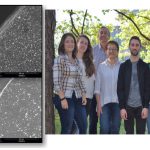
Chemical composition of explanted deteriorated nephrostomy polyurethane-catheters through X-ray photoelectron spectroscopy

Researchers of Nanbiosis U16 Surface Characterization and Calorimetry Unit of CIBER-BBN and University of Extremadura in Badajoz, are the authors of an article published by Materials Chemistry and Physics, The researchers studied the surface chemical information of thirteen used catheters that had remained in patients for two months, using the XPS technique with the purpose of this communication is to report.Compositional changes in relation to unused catheters provided information on the degree of the chemical degradation suffered. ATR-IR added information on the chemical characterization of the samplesand Scanning Electron Microscopy (SEM) analysis will advise on topographical changes. The XPS techniqu[...]

22 Dec
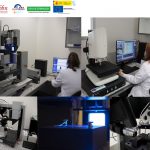
New equipment for calorimetry and surface characterization for NANBIOSIS U16

NANBIOSIS unit 16 Surface Characterization and Calorimetry Unit form CIBER-BBN and University of Extremadura offers the performance of tasks of physical-chemical characterization of surfaces using techniques such as ellipsometry, calorimetry, X-ray photoelectronic spectroscopy (XPS) and detection of secondary ions by means of mass spectrometry by time of flight (Tof-SIMS). Recently, new equipment acquired through the execution an investment of 1.3 million euros, cofinanced with FEDER funds, the Ministry of Economy and Competitiveness and Junta de Extremadura, Regional Ministry of Economy, Science and Digital Agency, througth the project FICTS1420-14-09. These equipments are a microdroplet and picodroplet contact angle goniometry system and[...]

23 Jul
II Conference on Nanotoxicity, organised by Nanomed Spain, NANBIOSIS and Materplat, Sept. 22

NANBIOSIS is organizing an on-line Conference on Nanotoxicity in collaboration with Nanomed Spain and Materplat, next September 22, to debate about the efect of nanotoxicity of nanoparticles and nanotechnologies in health. Nanotechnology, a science involved in the design, production, and use of structures and objects that have at least one of their dimensions on the scale of 100 nanometers or less, is enabling progress to be made in various areas with far-reaching repercussions. scope for society. Currently, there are several areas in which nanotechnology is under development or even in the practical application phase. However, manufactured nanoparticles can have very different properties and effects[...]

22 May
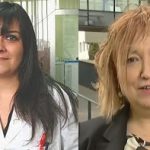
Scientific trends with the participation of NANBIOSIS expertise

Within the series of virtual conferences organized during the months of May, June and July by the Extremaduran office, two researchers of NANBIOSIS are invited speakers: Laura M. Lechuga Gómez, NANBIOSIS Unit 4 Biodeposition and Biodetection Unit (form CIBER-BBN and ICN2-CSIC); and María Coronada Fernández Calderón NANBIOSIS U16 Surface Characterization and Calorimetry Unit (from CIBER-BBN and University of Extremadura)who will talk about technologies at the service of health. The cycle ’90 minutes for Science, for innovation to bring society closer to the latest scientific trends, starts next Wednesday, May 27, at 5:00 p.m. It will deal with topics such as[...]

U16-Surface Characterization and Calorimetry Unit
Read More

U17. Confocal Microscopy Service

Ciber bbn

U17. Confocal Microscopy Service

  • Scientific Director: Prof. Juan Manuel Bellón juanm.bellon@uah.es
  • Scientific Coordinator: Gemma Pascual gemma.pascual@uah.es
  • Technical Coordinator: Mª Isabel Trabado unidad.cultivos@uah.es
  • Entities: Cell Culture Unit. Modulo IV, Planta Baja. Facultad de Medicina Universidad de Alcalá (UAH)
  • Address: Ctra. Madrid-Barcelona, km. 33,6, 28871, Alcalá de Henares, Madrid, Spain
  • Phone: +34 918 854 535
  • Web: WEB

UAH

Order request

Description

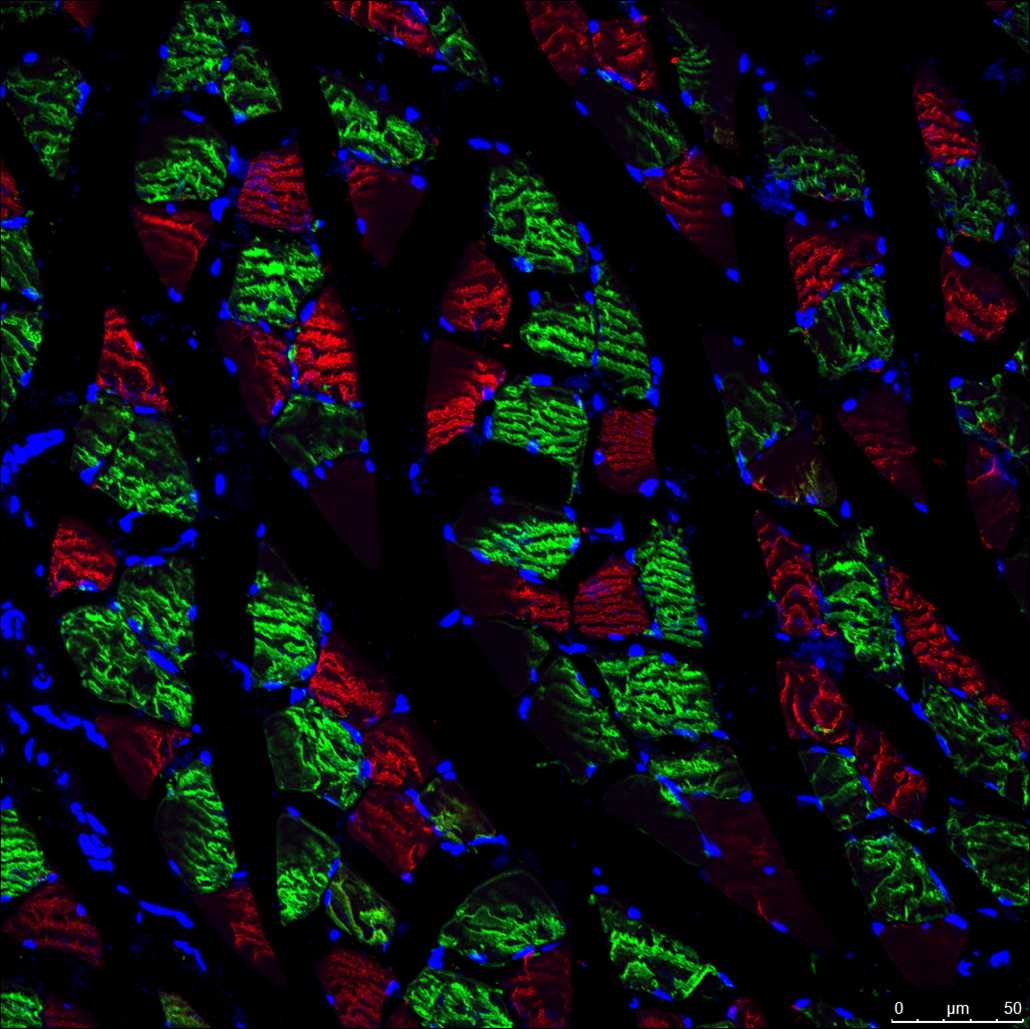
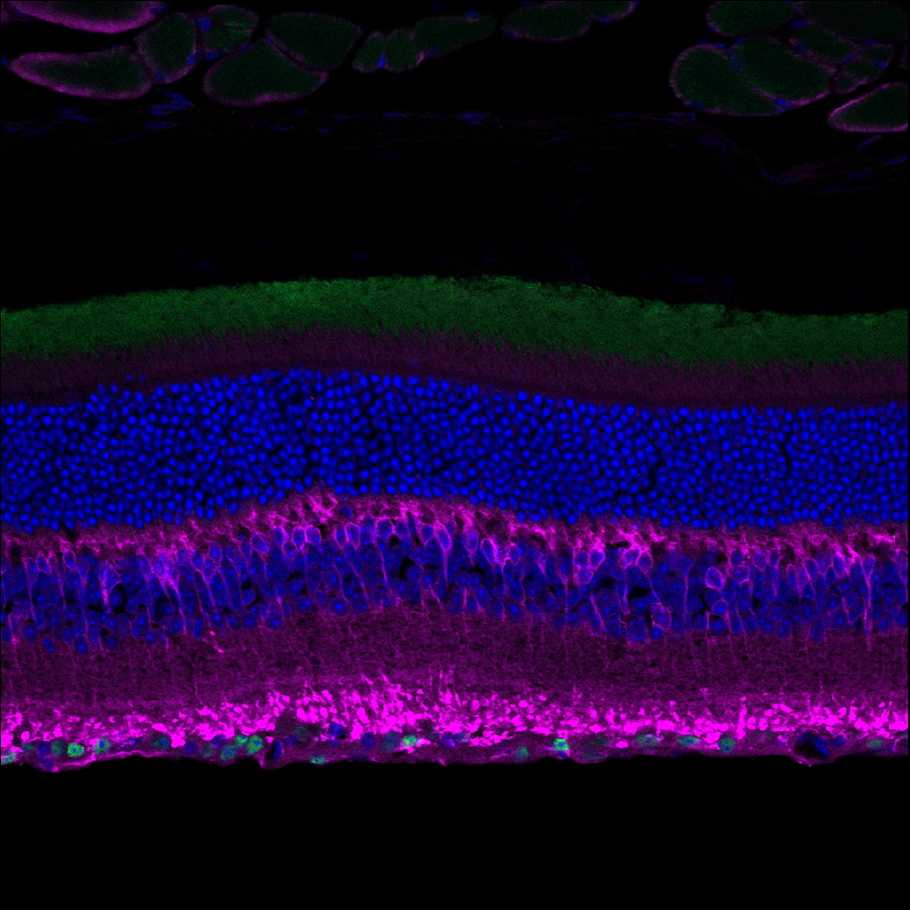
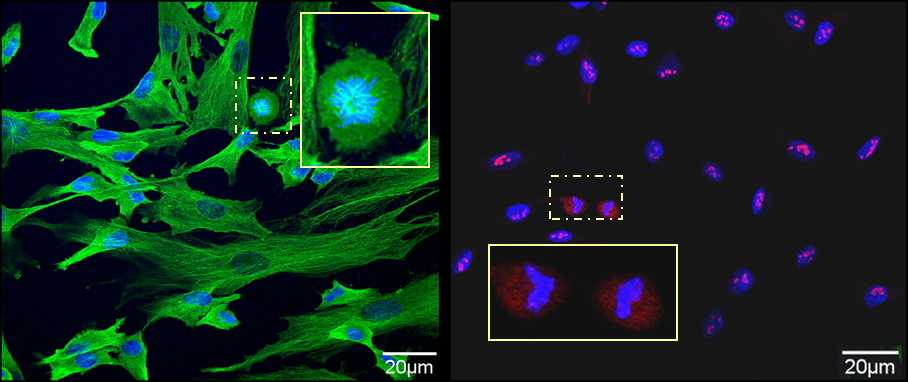
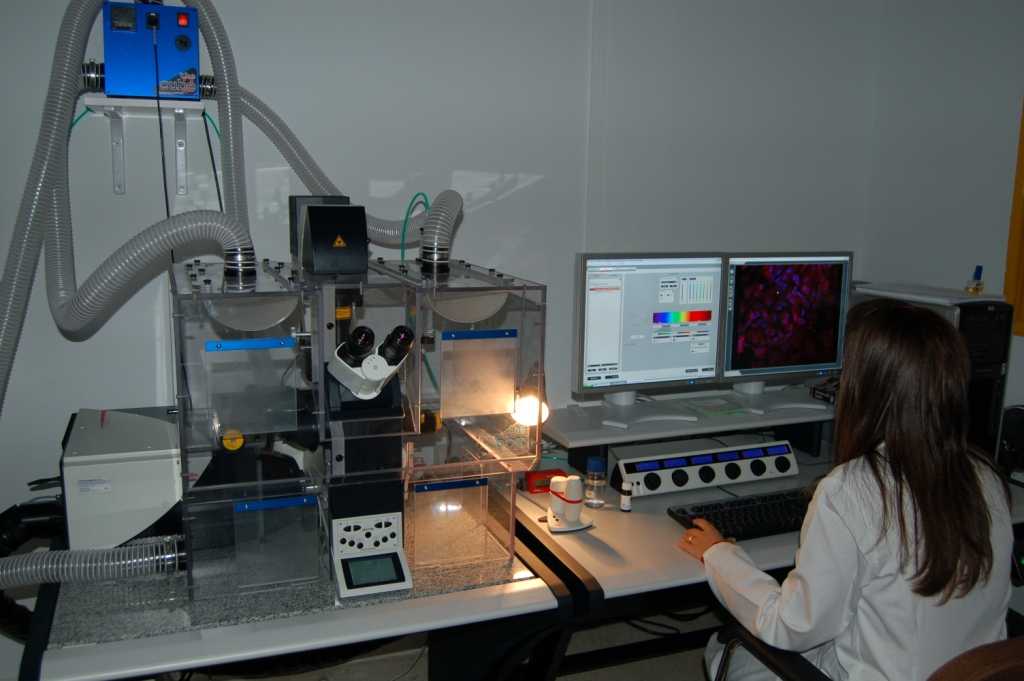
Located in the Cell Culture Unit, Faculty of Medicine, University of Alcalá, has a room perfectly suited to host a Confocal Microscope service that provides 4 lasers and cell incubation cabin. This Unit is coordinated by Dr. Juan Manuel Bellón, PI of the Translational Research and Tissue Engineering Group at the University of Alcalá.

Services


FOR THOSE SERVICES IDENTIFIED AS OUTSTANDING, AT LEAST 20% OF THEIR CAPACITY IS OPEN UNDER COMPETITIVE ACCESS. SEE ANNEX 1 OF ACCESS PROTOCOL FOR DETAILS ON % OF OPENNESS FOR EACH SERVICE

U17. Services & Rates

Active projects

Title Fundin: Organism Call: Funding source Role
SAF2017-90810-REDI Strategic Promotion and coordinated management of Nanbiosis: Pronanbiosis II Agencia Estatal de Investigación (AEI) Acciones de dinamización «REDES DE EXCELENCIA» -ICTS 2017 Partner
PICCOLO-732111 Multimodal highly-sensitive PhotonICs endoscope for improve in vivo COLOn Cancer diagnosis and clinical decision support European Commission-H2020 H2020-ICT-2016-1 Partner
0624_2IQBIONEURO_6_E Promotion of an R&I network in biological chemistry for the diagnosis and treatment of neurological diseases European Union Interreg : European Territorial Co-operation POCTEP Interreg España-Portugal Partner

Publications

2016

  • Pascual G., Sotomayor S., Adel F., Perez-Kohler B., Rodriguez M., Cifuentes A. et al. Remodeling of Noncrosslinked Acellular Dermal Matrices in a Rabbit Model of Ventral Hernia Repair. European Surgical Research. 2016;:32-48.
  • Calvo B., Pascual G., Pena E., Perez-Kholer B., Rodriguez M., Bellon J.M.. Biomechanical and morphological study of a new elastic mesh (Ciberlastic) to repair abdominal wall defects. Journal of the Mechanical Behavior of Biomedical Materials. 2016;59:366-378.
  • Cordero A., Hernandez-Gascon B., Pascual G., Bellon J.M., Calvo B., Pena E.. Biaxial Mechanical Evaluation of Absorbable and Nonabsorbable Synthetic Surgical Meshes Used for Hernia Repair: Physiological Loads Modify Anisotropy Response. Annals of Biomedical Engineering. 2016;:1-8.

News U17

03 Jun

How to accomplish researchers’ goals with Confocal Microscopy: the tools, the know-how and the expertise you need

NANBIOSIS Unit 17 (Confocal Microscopy) is a CIBER-BBN unit located in the Cell Culture Unit, CAI Medicine and Biology, Faculty of Medicine at the University of Alcala. This unit of the ICTS NANBIOSIS supports researchers interested on their different studies visualizing diverse samples as tissues, cells, bacterial biofilms, etc. This unit owns the tools, the know-how and the expertise to accomplish researchers’ goals either by transmission or reflection fluorescent. We are happy of sharing this video in which researchers of Unit 17 show all the steps required for the visualization of the PV-1 molecule, also known as PLVAP, on t[...]

18 Apr

Experimental & molecular medicine: a new article with NANBIOSIS U17

ICTS-NANBIOSIS. UNIT 17 CONFOCAL MICROSCOPY SERVICE. (CIBER-BNN. UNIVERSITY OF ALCALÁ) The UAH research groupTranslational research of chronic diseases associated with aging and kidney disease has recently published an article in which unit NANBIOSIS unit 17 and Leica SP5 confocal microscope has had a great contribution Located in the Support Center for Research in Medicine and Biology, Faculty of Medicine and Healthe Sciences, University of Alcalá (UAH). The Unit is equipped with a Leica TCS-SP5 confocal microscope. The confocal module is equipped with three spectral detection channels, AOBS (Acousto-optical beam splitter) and a resonant scanner system that allows analysis at hig[...]

17 Feb

The integrin beta1 modulator Tirofiban prevents adipogenesis and obesity by the overexpression of integrin-linked kinase: a pre-clinical approach in vitro and in vivo

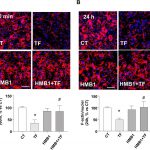
Obesity is caused by the enlargement of the white adipose tissue (WAT) depots, characterized by the hypertrophic enlargement of malfunctioning adipocytes within WAT, which increases the storage of triglycerides (TG) in the lipid droplets (LD). Adipogenesis pathways as well as the expression and activity of some extracellular matrix receptors integrins are upregulated. Integrinβ1 (INTB1) is the main isoform involved in WAT remodeling during obesity and insulin resistance-related diseases. We recently described Integrin Linked Kinase (ILK), a scafold protein recruited by INTB1, as an important mediator of WAT remodeling and insulin resistance. As the few approved drugs to fight obesity hav[...]

08 Oct

“Ring Around the Rosy”

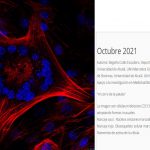
C2C12 myoblast cells differentiating into myotubes and adopting unusual shapes have been obtained and captured by resarchers of UAH and NANBIOSIS Unit 17 Confocal Microscopy Service (of CIBER-BBN and UAH) and and chosen photo of the month by the Spanish Society of Biochemistry and Molecular Biology (SEBBM) The picture illustrates the month of October on the calendar that the SEBBM publishes and distributes annually among all partners, and is part of the gallery of images that illustrate the activities of the SEBBM. Likewise, the photography will participate in the “Best Scientific Image of the Year” contest. The winning image is[...]

25 Apr

Uraemic toxins impair skeletal muscle regeneration by inhibiting myoblast proliferation, reducing myogenic differentiation, and promoting muscular fibrosis

Elena Alcalde‑Estévez, Patricia Sosa, Ana Asenjo‑Bueno, Patricia Plaza, Gemma Olmos, Manuel Naves‑Díaz, Diego Rodríguez‑Puyol, Susana López‑Ongil & María P. Ruiz‑Torres, are the authors of an article recently published in the Journal Scientific Reports, of Nature Research, ·mentioning the collaboration in the investigation of the ICTS “NANBIOSIS” U17 Confocal Microscopy Service of CIBER-BNN and the University of Alcalá. Uremic toxins (UT) increase in the serum in parallel with a decrease in the glomerular filtration rate and the development of sarcopenia in patients with chronic kidney disease (CKD). This study analyses the role of UTs in sarcopenia associated with CKD in different[...]

07 Apr

Toxicity evaluation on non-target organisms with the collaboration of NANBIOSIS U17 Confocal microscopy

Sara Jiménez-Jiménez, Georgiana Amariei, Karina Boltes, María Ángeles García and María Luisa Marina have recently published an article in the Journal of Chromatography A, ·mentioning the collaboration in the investigation of the ICTS “NANBIOSIS” U17 Confocal Microscopy Service of CIBER-BNN and the University of Alcalá. The echocytotoxicity of racemic panthenol and dexpanthenol at different concentrations and exposure times in Spirodela polyrhiza has been studied using NANBIOSIS U17 Confocal Microscopy Service “Panthenol (racemic mixture) and its isomer dexpanthenol have been classified as toxic for the aquatic environment by the European Regulation (EC 1272/2008). These studies are based on the natural emission[...]

11 Feb

NANBIOSIS Scientific Women in the International Day of Women and Girls in Science

Today February 11 is the International Day of Women and Girls in Science, a day to raise awareness of the gender gap in science and technology. According to the United Nations, while yet women and girls continue to be excluded from participating fully in science, science and gender equality are vital to achieve the internationally agreed development goals, including the 2030 Agenda for Sustainable Development. Thus, in recent years, the international community has made a great effort to inspire and promote the participation of women and girls in science. NANBIOSIS wants to acknowledge  the efforts made by scientific women who struggle every day to contribut[...]

13 Jul

Cardiac hypertrophy research with NANBIOSIS unit 17 Confocal Microscopy Service participation

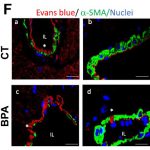
A new article has been recently published about Cardiac hypertrophy research in the Scientific Reports Jorunal by NatureResarch, counting with the expertise of NANBIOSIS unit 17 Confocal Microscopy Service form CIBER-BBN and University of Alcalá de Henares. Cardiac hypertrophy is the abnormal enlargement, or thickening, of the heart muscle, resulting from increases in cardiomyocyte size and changes in other heart muscle components, such as extracellular matrix. This article relates more especifically with the link between long term exposure to xenoestrogen Bisphenol-A and adverse cardiovascular effects and the role of necroptosis in cardiac response to BPA had not yet been explored.[...]

U17-Confocal Microscopy Service
Read More

U18. Nanotoxicology Unit

Ciber bbn

U18. Nanotoxicology Unit

    • Scientific Director: Prof. Ramón Mangues rmangues@santpau.cat
    • Scientific Coordinator: Dra.Isolda Casanova ICasanova@santpau.cat
    • Entities: Institut de Recerca. Hospital de la Santa Creu i Sant Pau 
    • Address: Hospital Santa Pau. c/Sant Antoni M. Claret, 167, 08025, Barcelona
    • Phone: +34 935 537 918
    • Web: WEB

  SAN-PAU

Order request

Description

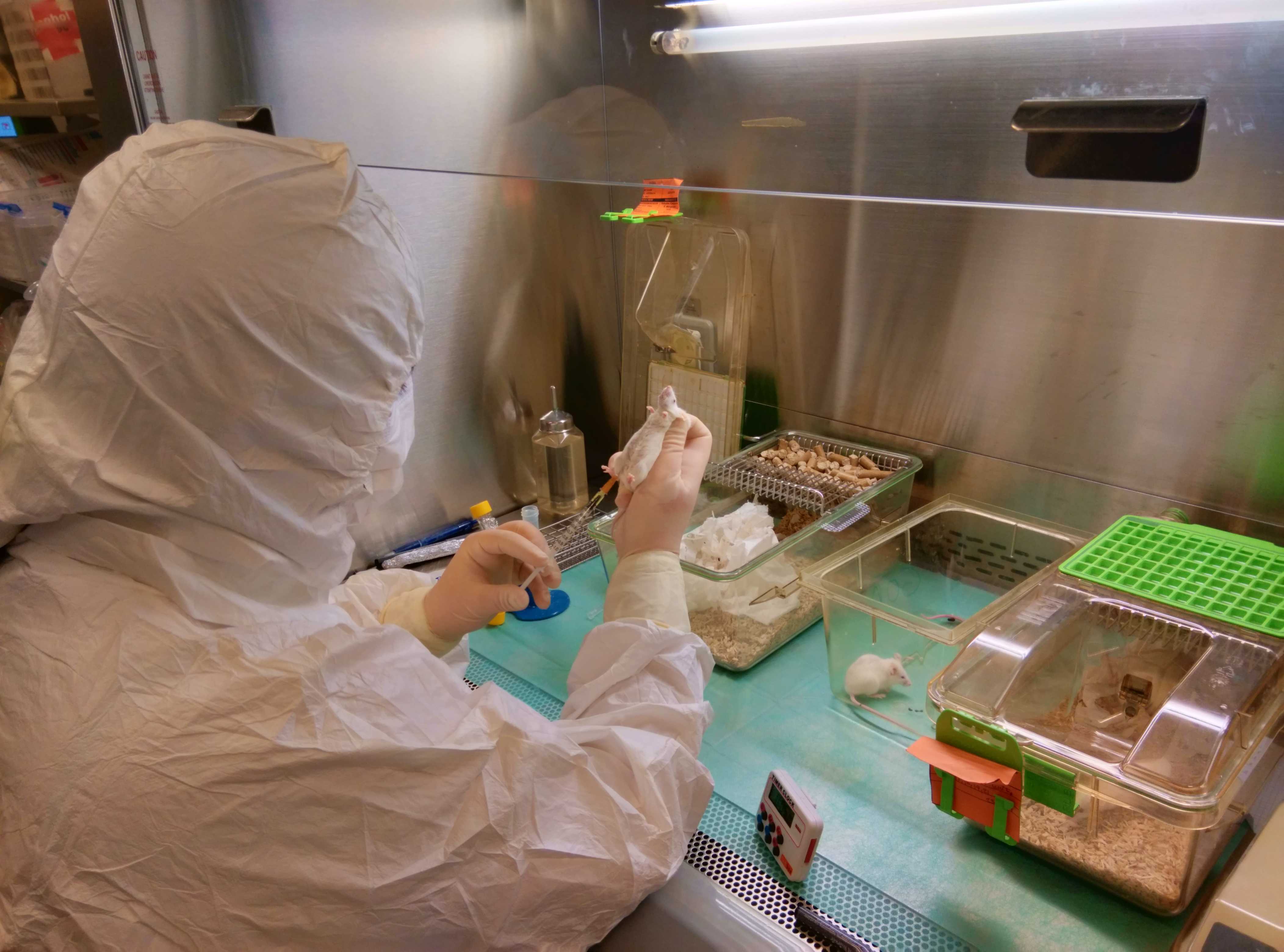
This Unit is located in the Hospital de la Santa Creu i Sant Pau, in Barcelona, and is coordinated by Dr. Ramón Mangues, PI of the Oncogenesis and Antitumor Drug Group. The main objective of the Nanotoxicology Unit is to assess the toxicity of new drugs, nanoparticles or nanotechnology-based biomaterials in in vitro and in vivo systems, with the goal of optimizing lead compounds and identifying those with the highest probability of success in the preclinical programme due to their greater safety and tolerability or reduced toxicity. The Unit has rooms equipped for cell culture, for cryopreservation of samples and cell lines, and for sample preparation and analysis and animal facilities for in vivo experimentation.

Equipment: The Unit has access to flow cytometers, sorters, confocal microscope and other equipment of the Platforms available at the Hospital Research Institute as well as housing facilities for small rodents (rat and mouse).

Active projects

Title Fundin: Organism Call: Funding source Role
ICTS-2017-10-CIBER-2 Acquisition and istallation of infrastrucuture to complemntUnis 3-Synthesis of Peptides, U18-Nanotoxicology y U20-In vivoExperiment Ministerio de Economía, Industria y Competitividad (MINECO) Programa Operativo FEDER de Crecimiento Inteligente 2014-2020 (POCInt) Coordinator
SAF2017-90810-REDI Strategic Promotion and coordinated management of Nanbiosis: Pronanbiosis II Agencia Estatal de Investigación (AEI) Acciones de dinamización «REDES DE EXCELENCIA»
-ICTS 2017
Coordinator

Other projects

Ref Title Funding Organism Unit Role
PI15/00378 Intelligent nanoconjugates for targeted therapy of metastatic colorectal cancer (CRC) Instituto de Salud Carlos III Working package
PIE15/00028 Targeted nanocongugates for the selective elimination of stem cells in disseminated cancer Instituto de Salud Carlos III Working package
PI15/00272 Design of intelligent nanoconjugates for the treatment of metastatic colorectal cancer. Instituto de Salud Carlos III Participant
CP15/00163 Maria Virtudes Céspedes Navarro Contracts Miguel Servet Type I Instituto de Salud Carlos III Working package
CD14/00055 Contract SARA BORRELL Instituto de Salud Carlos III Working package
Marato 416/C/2030TV32013-132031 Genotoxic nanoparticles targeting colorectal cancer stem cells Marato TV3 Participant

Publications

2016

  • Cespedes M.V., Guillen M.J., Lopez-Casas P.P., Sarno F., Gallardo A., Alamo P. et al. Lurbinectedin induces depletion of tumor-associated macrophages, an essential component of its in vivo synergism with gem;citabine, in pancreatic adenocarcinoma mouse models. DMM Disease Models and Mechanisms. 2016;9(12):1461-1471.
  • Rueda F., Cespedes M.V., Sanchez-Chardi A., Seras-Franzoso J., Pesarrodona M., Ferrer-Miralles N. et al. Structural and functional features of self-assembling protein nanoparticles produced in endotoxin-free Escherichia coli. Microbial Cell Factories. 2016;15(1):-.
  • Céspedes MV, Unzueta U, Álamo P, Gallardo A, Sala R, Casanova I et al. Cancer-specific uptake of a liganded protein nanocarrier targeting aggressive CXCR4+ colorectal cancer models.Nanomedicine : nanotechnology, biology, and medicine. 2016;12(7):-.
  • Cespedes M.V., Fernandez Y., Unzueta U., Mendoza R., Seras-Franzoso J., Sanchez-Chardi A. et al. Bacterial mimetics of endocrine secretory granules as immobilized in vivo depots for functional protein drugs. Scientific Reports. 2016;6:-.
  • Vazquez E., Mangues R., Villaverde A.. Functional recruitment for drug delivery through protein-based nanotechnologies. Nanomedicine. 2016;11(11):1333-1336.
  • Serna N., Cespedes M.V., Saccardo P., Xu Z., Unzueta U., Alamo P. et al. Rational engineering of single-chain polypeptides into protein-only, BBB-targeted nanoparticles. Nanomedicine: Nanotechnology, Biology, and Medicine. 2016;12(5):1241-1251.
  • Cano-Garrido O, Céspedes MV, Unzueta U, Saccardo P, Roldán M, Sánchez-Chardi A et al. CXCR4(+)-targeted protein nanoparticles produced in the food-grade bacterium Lactococcus lactis.Nanomedicine (London, England). 2016;11(18):-.
  • Rueda F., Gasser B., Sanchez-Chardi A., Roldan M., Villegas S., Puxbaum V. et al. Functional inclusion bodies produced in the yeast Pichia pastoris. Microbial Cell Factories. 2016;15(1):-.
  • Pesarrodona M., Fernandez Y., Foradada L., Sanchez-Chardi A., Conchillo-Sole O., Unzueta U. et al. Conformational and functional variants of CD44-targeted protein nanoparticles bio-produced in bacteria. Biofabrication. 2016;8(2):-.

News U18

28 Sep

Nanoligent raised €2.8 M and completed Seed round financing with support of i&i Biotech Fund

September 27th 2022 – Nanoligent SL, a Spanish biotech company specialized in the development of cancer treatments based on unique protein conjugates, today announces the completion of a Seed financing round of total € 2.8 M. The final closing of the Seed round consists of € 1 M investment by i&i Biotech Fund I (i&i Bio), an early-stage Life Science fund with teams in Luxemburg and Prague which is backed by the European Investment Fund. i&i Bio joined previous Nanoligent investors, Italian Angels for Growth, the largest network of business angels in Italy, and AVANTECA Partners, a Swiss privately held[...]

02 May

Wide representation of NANBIOSIS research in NALS 2022 and best Oral Presentation to Eloi Parladé

During the last 27-29 April, the 3rd International Conference on Nanomaterials Applied to Life Sciences 2022 (NALS 2022) has taken place in the Excellence Campus of Universidad de Cantabria in Santander (Spain), organized by the University of Cantabria and Institute Valdecilla-IDIVAL. NALS 2022 has been a multidisciplinary conference series sharing new results and ideas in the fields of biosensors, lab on a chip, drug delivery nanopharmacy. nanobiotechnology, intelligent nanomaterials, magnetic materials, nanotoxicity, antimicrobials, novel applications of 3d bioprinting and nanoimaging. NANBIOSIS has been represented at this edition by members of several of its units, among them we must highlight the set of four ora[...]

03 Feb

Nanoligent, whoes founders are leaders of NANBIOSIS units, raises €1M in Series Seed financing

Barcelona, Spain – Milan, Italy, February 3rd, 2022 – Nanoligent SL, a biotech company specialized in the development of nanotechnology-based cancer treatments, today announces the completion of the first closing of a Seed financing round of €1M. The round has been led by members of Italian Angels for Growth, the largest network of business angels in Italy, through the investment vehicle Nanolinvest, and AVANTECA Partners, a Swiss privately held asset management firm, both specialized in supporting innovative early-stage life-science companies primarily in Europe. An equity campaign, is still ongoing on Doorway, an online investment platform, thus promising to provide additional funding[...]

29 Oct

Dr Ramón Mangues, new member of the Royal Academy of Pharmacy of Catalonia

Dr. Ramon Mangues, head of the Oncogenesis and Antitumor Group and Scientific Director of NANBIOSIS U18 Nanotoxicology Unit of CIBER-BBN at the Sant Pau Research Institute, has been recently elected as a new member of the Royal Academy of Pharmacy of Catalonia. The celebration will take place on November 8 at 7 pm, at the headquarters of the RAFC, (Royal Academy of Pharmacy of Catalonia) which was the headquarters of the old Hospital de la Santa Cruz since the 15th century, located at Calle del Hospital, 56, in Barcelona. During the event, Dr. Mangues will read his admission speech “Selectiv[...]

16 Mar

Development of a protein-only drug delivery system for sustained release

The Nanotoxicology Unit of CIBER-BBN ICTS NANBIOSIS (u18-nanotoxicology-unit), led by Ramon Mangues at the Research Institute of the Hospital de Sant Pau and the NABIOSIS (nanbiosis.es)Protein Production Platform (u1-protein-production-platform-ppp) led by Antonio Villaverde and Neus Ferrer Miralles of the Institute of Biotechnology and Biomedicine at the Autonomous University of Barcelona, have participated in the development of a novel drug delivery system able to achieve sustained release of proteins with intrinsic antitumor activity. This delivery system consists on inclusion bacterial bodies formed by recombinant fusion proteins that precipitate while being expressed in bacteria, acquiring an amyloid structure, but remaining functional. Thus,[...]

25 Feb

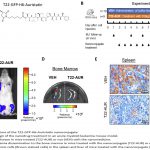
An Auristatin-based nanoconjugate reduces leukemia burden in a disseminated AML model

Researchers of the Nanotoxicology Unit of the the CIBER-BBN ICTS NANBIOSIS (u18-nanotoxicology-unit), leaded by Ramon Mangues and Isolda Casanova at the Research Institute of the Hospital de Sant Pau and of the NANBIOSIS (nanbiosis.es) Protein Platform (u1-protein-production-platform-ppp) leaded by Antonio Villaverde and Neus Ferrer Miralles of the Institute of Biotechnology and Biomedicine at the Autonomous University of Barcelona, have developed a novel protein-Auristatin nanoconjugate that specifically targets CXCR4-overexpressing acute myeloid leukemia (AML) cells. It selectively accumulates in target cancer cells expressing this receptor and deliver the toxin Auristatin within their cytosol. There, Auristatin potently blocks microtubule polymerization, provoking mitotic catastrophe,[...]

21 Feb

A nanotoxin targeting the receptor CXCR4 blocks lymphoma dissemination

Researchers at the Nanotoxicology Unit of CIBER-BBN ICTS NANBIOSIS (u18-nanotoxicology-unit), led by Ramon Mangues and Isolda Casanova of the Research Institute at the Hospital de Sant Pau and the Researchers of the NANBIOSIS (nanbiosis.es) Protein Production Platform (u1-protein-production-platform-ppp) led by Antonio Villaverde and Neus Ferrer Miralles of the Institute of Biotechnology and Biomedicine at the Autonomous University of Barcelona, have participated in the development of a novel protein nanoparticle that incorporates the Exotoxin of the bacteria Pseudomonas aeruginosa, capable of targeting lymphoma cells that overexpress the CXCR4 receptor. They internalize selectively in target cancer cells through CXCR4 receptor-mediated endocytosis du[...]

15 Feb

Identification of a novel nanotherapy active in cancer cells resistant to chemotherapy

Researchers of the Nanotoxicology Unit (u18-nanotoxicology-unit) led by Ramon Mangues and Isolda Casanova at the Research Institute of the Hospital de Sant Pau and the Protein Production Platform (u1-protein-production-platform-ppp), led by Antonio Villaverde and Neus Ferrer Miralles of the Institute of Biotechnology and Biomedicine at the Autonomous University of Barcelona, both belonging to the ICTS NANBIOSIS (nanbiosis.es) of the CIBER-BBN, have participated in the production of a novel Nanotoxin capable of selectively killing cancer cells which became resistant to chemotherapy. Development of cancer resistance frequently associates with the overexpression of the CXCR4 receptor. It is known that chemotherapy kills cancer[...]

U18-Nanotoxicology Unit
Read More

U20. In Vivo Experimental Platform

Ciber bbn

U20. In Vivo Experimental Platform

U20. logo FVPP CIBBIM-Nanomedicina Vall d'HebronVall d´Hebrón_U20,U18

Order request

Description

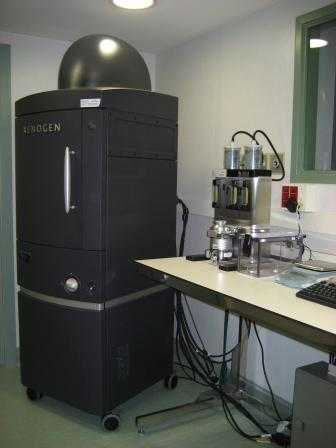
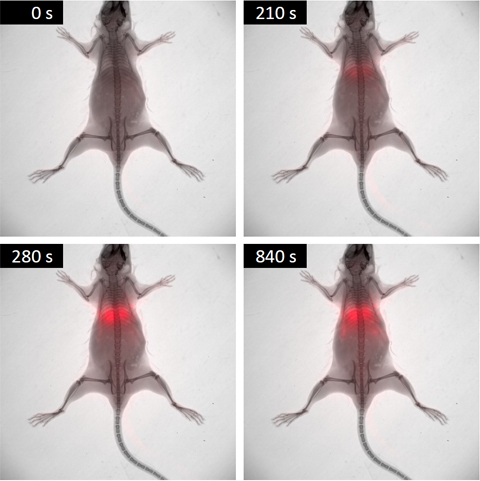
Located at the Valld’Hebron Research Institute (VHIR) in Barcelona, U20 In vivo Experimental Platform has three different sections, a Molecular Imaging section for in vivo, ex vivo and in vitro imaging studies (fluorescence, bioluminescence and X-rays), a preclinical animal model section and a preclinical histology section. All three sections are included within the Functional Validation & Preclinical Research (FVPR) of CIBBIM-Nanomedicine.

This unit is leadedby Dr. Ibane Abasolo (Head of FVPR) and supervised by the directorof CIBBIM-Nanomedicine, Dr. Simó Schwartz Jr. Its mission is to offer products and services for the preclinical proof-of-concept validation of therapeutic compounds and biomarkers with potential clinical applications. One of the distinguishing features of this unit is that basic preclinical studies including toxicology, histopathology and efficacy treatments are complemented with non-invasive optical imaging technologies. In vivo bioluminescence and fluorescence imaging allows monitoring of living mice longitudinally, offering real time insight into treatment efficacy, whole-body biodistribution and target mechanisms. Although in Spain there are other institutions with similar equipment, this is the only case in which imaging services can be combined with specifically devoted animal models.

U20. Services & Rates

Active projects

Title Fundin: Organism Call: Funding source Role
ICTS-2017-10-CIBER-2 Acquisition and istallation of infrastrucuture to complemnt Unis 3-Synthesis of Peptides, U18-Nanotoxicology y U20-In vivo Experiment Ministerio de Economía, Industria y Competitividad (MINECO) Programa Operativo FEDER de Crecimiento Inteligente 2014-2020 (POCInt) Coordinator
GA: 720942 SMART FUNCTIONAL GLA-NANOFORMULATION FOR FABRY DISEASE – Smart-4-Fabry Unión Europea (Comisión Europea) H2020-NMBP-2016-2017 Coordinator
SAF2017-90810-REDI Strategic Promotion and coordinated
management of Nanbiosis: Pronanbiosis II
Agencia Estatal de Investigación (AEI) Acciones de dinamización «REDES DE EXCELENCIA»
-ICTS 2017
Coordinator

Other projects

Ref Title Funding Organism Unit Role
RTC-2014-2207-1 TERARMET: Development of therapies for the treatment of rare congenital metabolic diseases MINECO Participant

Publications

2016

  • Giannotti M.I., Abasolo I., Oliva M., Andrade F., Garcia-Aranda N., Melgarejo M. et al. Highly Versatile Polyelectrolyte Complexes for Improving the Enzyme Replacement Therapy of Lysosomal Storage Disorders. ACS Applied Materials and Interfaces. 2016;8(39):25741-25752.
  • Pesarrodona M., Fernandez Y., Foradada L., Sanchez-Chardi A., Conchillo-Sole O., Unzueta U. et al. Conformational and functional variants of CD44-targeted protein nanoparticles bio-produced in bacteria. Biofabrication. 2016;8(2):-.
  • Cabrera I., Abasolo I., Corchero J.L., Elizondo E., Gil P.R., Moreno E. et al. α-Galactosidase-A Loaded-Nanoliposomes with Enhanced Enzymatic Activity and Intracellular Penetration. Advanced Healthcare Materials. 2016;5(7):829-840.
  • Cespedes M.V., Fernandez Y., Unzueta U., Mendoza R., Seras-Franzoso J., Sanchez-Chardi A. et al. Bacterial mimetics of endocrine secretory granules as immobilized in vivo depots for functional protein drugs. Scientific Reports. 2016;6:-.

News U20

27 Jul

1st Nanomedicine Forum of CIBER-BBN/NANBIOSIS and CSIC Nanomed Conection

During the days 30 of June and 1st of July took place in Barcelona, in the auditorium of the Institute of Advanced Chemistry of Catalonia (IQAC-CSIC), the 1st Forum on Nanomedicine gathering scientists from the CSIC net Nanomed Conection and from the CIBER-BBN and its ICTS NANBIOSIS. This forum brought toguether researchers from the most eminent national research centers in nanomedicine, that during the two days meeting presented their works and findings and discussed the impact of nanomedicine in the fields of drug delivery, diagnosis and therapy. The workshop was open by the Director of IQAC-CSIC,  Jesús Joglar, the  Scientific Coordinator[...]

06 Apr

Targeting of the breast cancer stem cells to improve the treatment of triple negative breast cancer

On April 1st PhD candidate Patricia Cámara Sánchez defended her doctoral thesis entitled “Targeting of the breast cancer stem cells to improve the treatment of triple negative breast cancer“, where ICTS-Nanbiosis Unit 20 participated in the in vivo assays. The thesis was supervised by Dr. Ibane Abasolo  (scientific director of Unit 20 from CIBER-BBN and VHIR). Nanbiosis was also present within the jury, with Dr. Ana Paula Candiota (scientific coordinator of Unit 25 from CIBER-BBN and UAB) acting as secretary. Patricia Cámara graduated as biochemist, did the master’s degree in Translational Biomedical Research from VHIR-UAB. Shortly after, started the PhD, which was aimed[...]

28 Mar

New equipment installed in NANBIOSIS U20

NANBIOSIS, U20. In Vivo Experimental Platform, led by Dr. Ibane Ibasolo, has been updated and improved as a result of its participation in the project FICTS1420-20, selected by the MICINN for co-financing by the FEDER Program in ICTS 2014-2020 (Equipment for setting standardized immunotoxicology assays for the U20 -NANBIOSIS I17 Action of the Investment Plan-)[...]

20 Mar

The efficacy of nanoparticles combined with chemotherapy against pancreatic cancer

Pancreatic ductal adenocarcinoma is a highly devastating orphan disease with poor prognosis even when diagnosed early (The survival rate after 5 years (< 5%) has not changed over the last 30 years, despite tremendous research efforts) The european project NoCanTher, in wich participates NANBIOSIS U20 of (VHIR and CIBER-BBN) is a nanotechnology-based approach aimed to scale-up under GMP conditions and evaluate a nanoformulation for a combined therapy with chemotherapy against this pancreatic cancer. The international clinical study, carried out in the framework of the project is now incorporating the first pacient in Spain with this type of nanotherapy. The clinica[...]

08 Mar

Open Call Focus on Innovative MedTech using Nanotechnology

Start-ups / SMEs! Are you working on innovative medical products using nanotechnology? This is your call for development and marketing solutions! Last week took place the SAFE-N-MEDTECH Open Call on line info session with the idea to present the open call with a bit more detail. A few presentations and specially a time for questions and answers were organized by Anaïs Le Corber, Network Manager of CEBERG, the council of European Bioregions, partner of the project. The webinar was recorded and it is available here: First of all, Angel del Pozo, Coordinator of the SAFE-N-MEDTECH, gave an insight of t[...]

28 Feb

Fabry Desease in the Rare Disease Day: A New Hope

WHY DO CELEBRATE TODAY THE INTERNATIONAL #RareDiseaseDay? 29 of February is a ‘rare’ date and February, a month with a ‘rare’ number of days, has become a month to raise awareness about rare diseases and their impact on patients’ lives.  Since 2008 thousands of events happen every year all around the world and around the last day of February with the aim of improving equity and reducing stigmatization for people who live with more than 6,000 rare diseases. WHAT ARE RARE DISEASES Rare diseases are pathologies or disorders that affect a small part of the population (less than 5 per 10,000 inhabitants) and[...]

09 Feb

Women in the fight against breast cancer: Ibane Ibasolo

The International Day of Women and Girls in Science on February 11 honor women’s significant achievements in science and place a much-needed focus on girls entering Science, Technology, Engineering, and Mathematics (STEM) careers. We want to take this day to congratulate all the women scientists, especially our scientists at NANBIOSIS ICTS. Some of them take an active role in the dissemination of research results and reseach contribution to the society, as Dr. Ibane Abasolo who last week participated in different events to explain her team work in the figth against breast cancer. Ibane Abasolo is the Scientific Coordinator of NANBIOSIS U20 and also[...]

03 Feb

Multivalent self-assembled platforms for the delivery of chemotherapeutic drugs

Twenty years ago, the 4 February was declared World Cancer Day with the global challenge of cancer would not be forgotten. Since then, huge progress has been made to understand, prevent, diagnose, and treat cancer. NANBIOSIS as an ICTS (Singular Scientific and Technical infrastructures) for biomedical research plays a very important role in the fight against cancer. Dr. Miriam Royo, who leads NANBIOSIS unit 3 of Synthesis of Peptide, explains one of the projects in which the ICTS is involved in relation with cancer therapy. The improvement of solubility and stability of clinically approved chemotherapeutic drugs still represent a big[...]

U20-In Vivo Experimental Unit
Read More

U21. Experimental operating rooms

JUMISC

U21. Experimental operating rooms

  • Scientific Director: Dr. Francisco M. Sánchez Margallo msanchez@ccmijesususon.com
  • Entities: Jesus Uson Minimally Invasive Surgery Centre (JUMISC)
  • Address: Carretera N-521, km 41, 10071 Cáceres
  • Phone: + 34 927 181 032
  • Web: JUMISC

Order request

Description

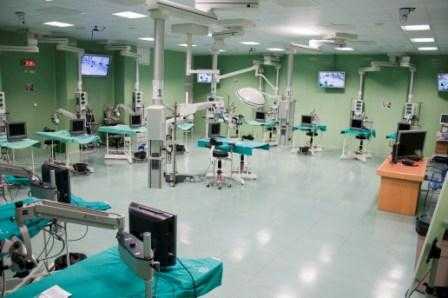
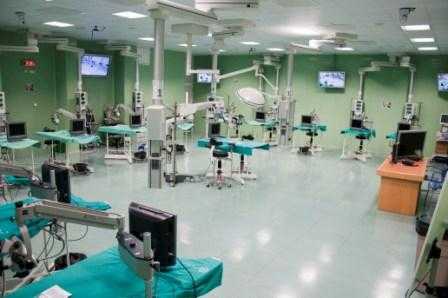
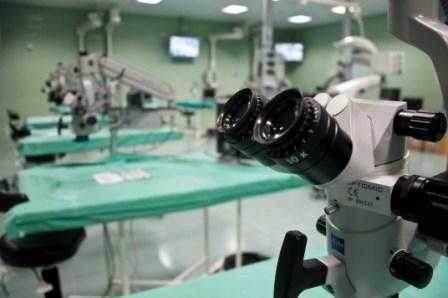
Experimental operating rooms with high technology and high field instrumentation to promote methodological and translational research class in Biomedicine, both minimally invasive surgery and new procedures and in preclinical development for technical evaluation, medical devices, biomaterials, etc. Surgical facilities allow the development and use of small and large animal models for research and experimental surgery in several longitudinal areas: cardiovascular diseases, liver and digestive diseases, respiratory and systemic diseases, endocrinology and urology, gynecological and reproductive diseases, pediatric diseases, orthopedics and traumatology, ophthalmology and experimental surgery in all organ systems have the infrastructure for transplant development, implants, prosthesis, biomaterials, etc. under high quality experimental conditions that allow surgery, clinical follow up and obtaining biological samples in these models.

Active projects

Title Fundin: Organism Call: Funding source Role
SAF2017-90810-REDI Strategic Promotion and coordinated management of Nanbiosis: Pronanbiosis II Agencia Estatal de Investigación (AEI) Acciones de dinamización «REDES DE EXCELENCIA» -ICTS 2017 Partner
PICCOLO-732111 Multimodal highly-sensitive PhotonICs endoscope for improve in vivo COLOn Cancer diagnosis and clinical decision support European Commission-H2020 H2020-ICT-2016-1 Partner
0624_2IQBIONEURO_6_E Promotion of an R&I network in biological chemistry for the diagnosis and treatment of neurological diseases European Union Interreg : European Territorial Co-operation POCTEP Interreg España-Portugal Partner

Other projects

Ref Title Funding Organism Unit Role
MAT2016-75611-R NANOMATERIALS REGENERATIVE IN SCENARIOS OF BONE PATHOLOGY: OSTEOPOROSIS AND INFECTION AgenciaEstatal de Investigación Participant

U21. Experimental operating rooms
Read More

U25. NMR: Biomedical Applications I

Ciber bbn

U25. NMR: Biomedical Applications I

  • Scientific Director: Prof. Carles Arús Carles.Arus@uab.es
  • Scientific Coordinator: Ana Paula Candiota AnaPaula.Candiota@uab.cat
  • Entities: Servicio de Resonancia Magnética Nuclear (SeRMN) & Institut de Biotecnología i Biomedicina (IBB) & Universidad Autónoma de Barcelona (UAB)
  • Address: Facultad de Ciencias, Edificio C, 08193, Cerdanyola del Vallés, Barcelona, Spain
  • Phone: +34 935 814 126
  • Web: GABRMN-UAB seRMN-UAB

UAB

Order request

Description

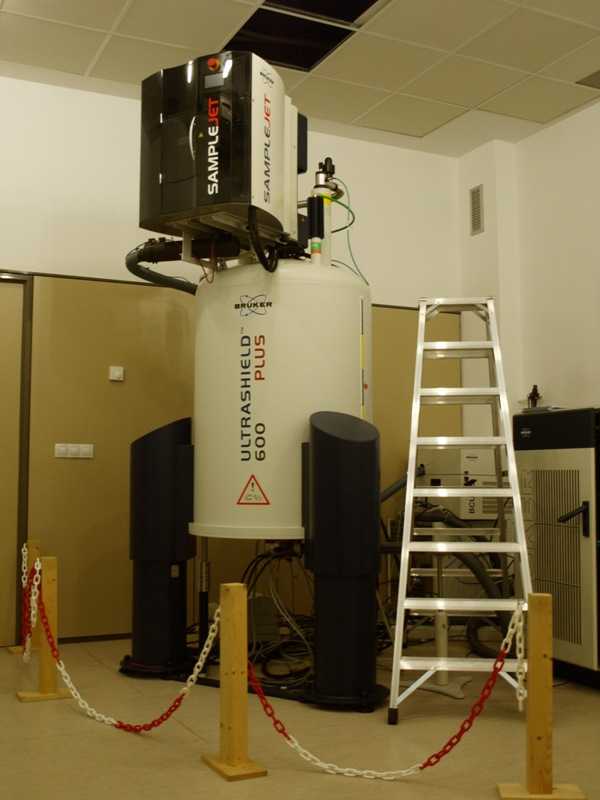
The platform is divided between the Servei de Ressonància Magnètica Nuclear (Nuclear Magnetic Resonance Facility) (SeRMN) (http://sermn.uab.cat/) and the Institut de Biotecnologia i Biomedicina (IBB) for bioinformatics applications of the UAB . This platform is coordinated by Prof. Carles Arús, PI of the Nuclear Magnetic Resonance Biomedical Applications Group (GABRMN) (http://gabrmn.uab.es/), with a recognized research track record in the use of NMR as a tool for biomedical applications, and more especifically to identify biomarkers of different pathologies. The main objective of the Platform of Biomedical Applications of Nuclear Magnetic Resonance at the Universitat Autònoma de Barcelona (UAB) is the acquisition, processing and/or interpretation of Nuclear Magnetic Resonance data.

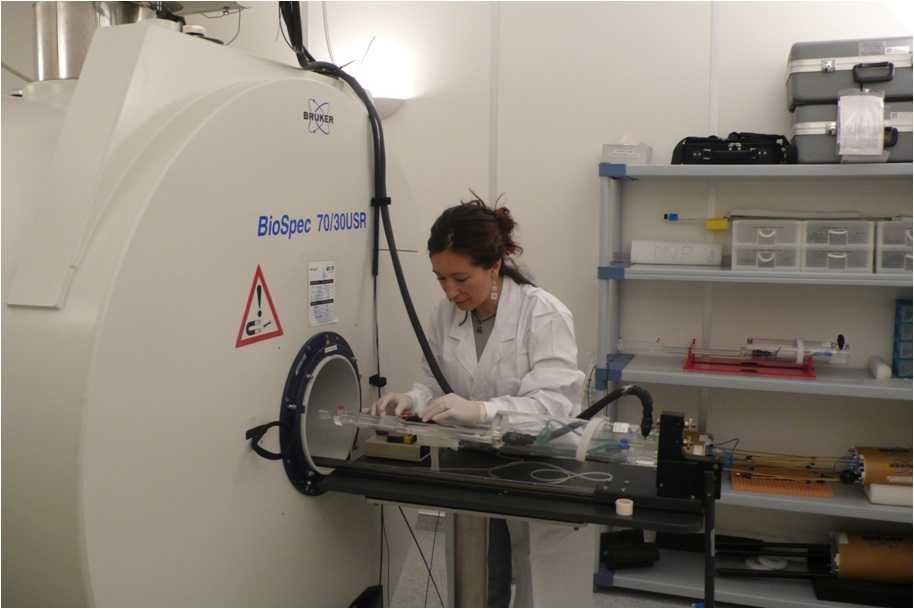
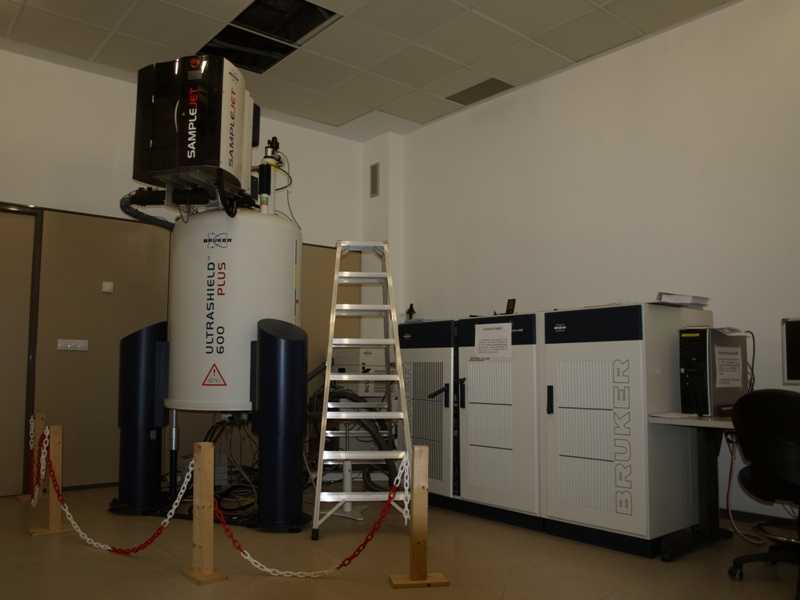
The platform is equipped with 10 spectrometers operating at magnetic fields between 5.8 and 14.1 Teslas (T), including a MRI scanner, Bruker BioSpec, equipped with a 7T horizontal magnet for preclinical trials.

The unit also hosts a computational platform at the IBB, with a total storage capacity of 12TB, which is accessible through the UAB network. The computational platform also hosts two multicentre databases (INTERPRET and eTUMOUR), with NMR and clinical data for more than 1000 human brain tumour patients.

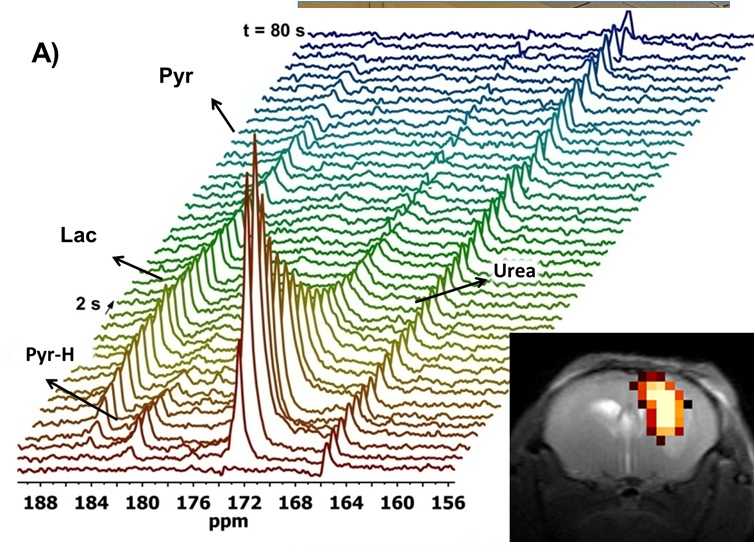
The uniqueness in this case lies in access, in the same location, equipment for NMR studies in vivo, ex vivo and in vitro, molecular imaging accessories by using polarization as well as fixed metabolomic patterns. This configuration allows to validate results of molecular imaging in vivo with other in vitro facilities.

Active projects

Title Fundin: Organism Call: Funding source Role
SAF2017-90810-REDI Strategic Promotion and coordinated management of Nanbiosis: Pronanbiosis II Agencia Estatal de Investigación (AEI) Acciones de dinamización «REDES DE EXCELENCIA» -ICTS 2017 Partner
PICCOLO-732111 Multimodal highly-sensitive PhotonICs endoscope for improve in vivo COLOn Cancer diagnosis and clinical decision support European Commission-H2020 H2020-ICT-2016-1 Partner
0624_2IQBIONEURO_6_E Promotion of an R&I network in biological chemistry for the diagnosis and treatment of neurological diseases European Union Interreg : European Territorial Co-operation POCTEP Interreg España-Portugal Partner

Publications

2016

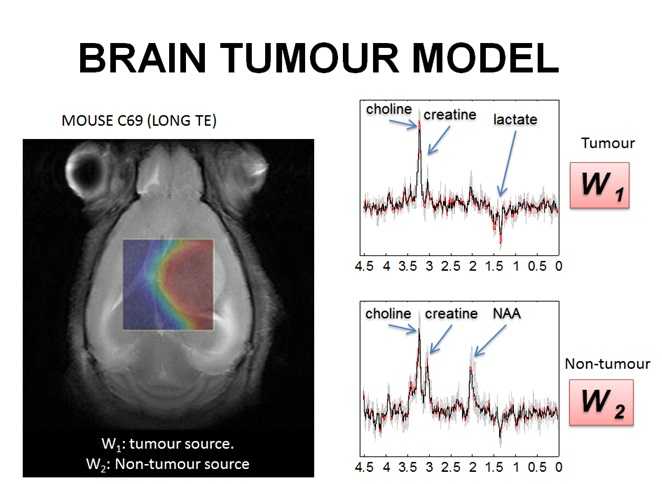
  • Delgado-Goni T., Ortega-Martorell S., Ciezka M., Olier I., Candiota A.P., Julia-Sape M. et al. MRSI-based molecular imaging of therapy response to temozolomide in preclinical glioblastoma using source analysis. NMR in Biomedicine. 2016;:-.
  • Cordon-Barris L., Pascual-Guiral S., Yang S., Gimenez-Llort L., Lope-Piedrafita S., Niemeyer C. et al. Mutation of the 3-phosphoinositide-dependent protein kinase 1 (PDK1) substrate-docking site in the developing brain causes microcephaly with abnormal brain morphogenesis independently of akt, leading to impaired cognition and disruptive behaviors. Molecular and Cellular Biology. 2016;36(23):2967-2982.
  • Ferrer-Font L., Alcaraz E., Plana M., Candiota A.P., Itarte E., Arus C.. Protein Kinase CK2 Content in GL261 Mouse Glioblastoma. Pathology and Oncology Research. 2016;:-.
  • Ciezka M., Acosta M., Herranz C., Canals J.M., Pumarola M., Candiota A.P. et al. Development of a transplantable glioma tumour model from genetically engineered mice: MRI/MRS/MRSI characterisation. Journal of Neuro-Oncology. 2016;:1-10.

News U25

07 Sep

Philipps-Universität Marburg (Germany) -NANBIOSIS U25 collaboration on the study of tumour microenvironment (TME) changes in Glioblastoma

The scientific coordinator of NANBIOSIS U25 “RNM: Biomedical Application I”, Ana Paula Candiota, was recently awarded with a mobility fellowship from CIBER-BBN for a scientific exchange visit to Philipps-Universität Marburg, in Marburg, Germany. This scientific stage was motivated for a sustained collaboration between the research groups (GABRMN, in charge of U25 and Neurosurgery Lab group in Marburg), regarding the study of tumour microenvironment (TME) changes in Glioblastoma and possible relationship with the noninvasive MRSI-based biomarkers. Both groups have applied together to different funding calls including ERA-NET Transcan and Pathfinder Open, and Marburg group has hosted a predoctoral stage from a[...]

16 Aug

Two NANBIOSIS Units of CIBER-BBN at UAB, one of the 300 best universities in the world, according the Shanghai Ranking

The Academic Ranking of World Universities (ARWU), known as Shanghai Ranking, which was made public on August 15, places the Autonomous University of Barcelona among the elite of the 300 best universities in the world. This indicator organizes up to 20,000 university centers worldwide,based on transparent methodology and objective third-party data. ARWU is regarded as one of the three most influential and widely observed university rankings Two of NANBIOSIS Units created by UAB and CIBER-BBN are part of this university: U1 Protein Production Platform (PPP), led by Toni Villaverde, Neus Ferrer and Mercedes Marquez, offer an “tailored” service for the design,[...]

05 Jul

Metal-free contrast agents: novel approaches

The joint expertise of CIBER-BBN Nanomol Group – NANBIOSIS U6 from at ICMAB-CSIC (José Vidal and Vega Lloveras) and NANBIOSIS U25 at UAB (Ana Paula Candiota), led to a recently published article in the prestigious journal Biomacromolecules Brain tumours such as Glioblastomas are a challenge in the clinics and proper diagnosis and follow-up are crucial for patient outcome. Contrast agents are usually administered to patients for assessing blood brain barrier integrity and quantitation of enhancing areas are part of the clinical criteria for estimating response/relapse. However, most contrast agents currently used in clinics are based in metal elements such as[...]
10 May

Improving quality of MR spectra from mouse brain. MRSI-detected pattern in glioblastoma patients

Work performed at Unit 25 of Nanbiosis ICTS of “NMR: Biomedical ApplicationsI” is being shown at the Joint annual meeting ISMRM-ESMRMB (May 7-12th) London, with the participation of CIBER-BBN group members Ana Paula Candiota, Silvia Lope-Piedrafita, Miquel Cabañas (abstract 1), Carles Arús, Gulnur Ungan, Margarida Julià-Sapé, Alfredo Vellido and Carles Majós (abstract 2). In the first abstract, entitled “High resolution Multi-voxel spectroscopy using CSI-semi-LASER for mouse brain preclinical studies” we focused into improving quality of MR spectra obtained from mouse brain, a key factor when trying to pursue metabolomic-based biomarkers. The second abstract, entitled “MRSI-detected pattern in glioblastoma patients on[...]

06 Apr

Targeting of the breast cancer stem cells to improve the treatment of triple negative breast cancer

On April 1st PhD candidate Patricia Cámara Sánchez defended her doctoral thesis entitled “Targeting of the breast cancer stem cells to improve the treatment of triple negative breast cancer“, where ICTS-Nanbiosis Unit 20 participated in the in vivo assays. The thesis was supervised by Dr. Ibane Abasolo  (scientific director of Unit 20 from CIBER-BBN and VHIR). Nanbiosis was also present within the jury, with Dr. Ana Paula Candiota (scientific coordinator of Unit 25 from CIBER-BBN and UAB) acting as secretary. Patricia Cámara graduated as biochemist, did the master’s degree in Translational Biomedical Research from VHIR-UAB. Shortly after, started the PhD, which was aimed[...]

19 Jul

Radical Dendrimers as Contrast Agents for Magnetic Resonance Imaging

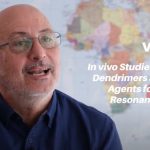
José Vidal Gancedo, researcher from ICMAB-CSIC and CIBER-BBN is leading the project VIRADEN: “In vivo Studies of Radical Dendrimers as Contrast Agents for Magnetic Resonance Imaging“, one of the ICMAB Frontier Interdisciplinary Projects (FIP) 2021. The project aims to evaluate the new contrast agents for MRI based on organic radical dendrimers developed in his group, to substitute the currently used contrast agents based on toxic metals, with the final goal of obtaining useful contrast agents in the early detection of tumors José Vidal has explained NANBIOSIS participation in the project through Biomaterial Processing and Nanostructuring equipments of NANBIOSIS U6 counting wit[...]

03 Jun

Novel nano-encapsulation approach for efficient dopamine delivery in Parkinson’s treatment

UAB Parkinson’s disease (PD) is a common neurodegenerative disorder caused by the death of dopaminergic neurons in a part of the brain (known as substantia nigra pars compacta), which leads to a deficit of dopamine (DA), one of the main neurotransmitters active in the central nervous system. Symptomatic treatment focuses on increasing the concentration of dopamine into the brain. However, dopamine is not directly administered, because it is unable to cross the so called blood-brain barrier, which prevents some of the substances circulating in the blood to penetrate into the nervous system. Thus, DA precursor levodopa (L-DOPA) –an amino-acid whic[...]

16 Apr

Participation of NANBIOSIS U25 in the Valorisation Project MR-INITIATE

The Unit 25 of the ICTS NANBIOSIS will be enrolled, through its scientific coordinator Ana Paula Candiota, in a research valorisation project recently granted by CIBER: “Noninvasive MR-based ImagiNg of Immune sysTem action during glIoblastomA TreatmEnt (MR-INITIATE)” Such project has the aim to increase the TRL of therapy response follow-up methods in glioblastomas, using technological approaches performed at  U25 of NANBIOSIS NMR: Biomedical Applications I The project will be financed with € 20,000. The CIBER-BBN transfer program The CIBER-BBN transfer program through its call for transfer and valorization projects has been designed to promote the transfer to the industrial sector[...]

U25-NMR Biomedical Applications I
Read More

U26. NMR: Biomedical Applications II

Ciber bbn

U26. NMR: Biomedical Applications II

  • Scientific Director: Prof. Ramon Martinez Máñez  rmaez@qim.upv.es
  • Scientific Coordinator: Dr. Salvador Gil salvador.gil@uv.es
  • Entities: Universitat de Valencia (UV)
  • Address: C/Dr. Moliner, 50, Edificico Investigación, 1º Pl., 46100, Valencia, Spain
  • Phone: +34 963877343
  • Tel Prof. Martínez: +34 963877343 ; Tel Dr. Gil : +34 963543135
  • Web: UV

UV

Order request

Description

Located in the Faculty of Medicine of the University of Valencia (UV) has a laboratory with a NMR (14T) for acquiring unique metabolic profiles of biofluids, cell lines and tissues. This Unit is coordinated by Dr. Ramón Martínez Máñez, PI of the Applied Molecular Chemistry Group of the Universidad Politécnica de Valencia, together with Dr. Salvador Gil, Director of the Central Service for Experimental Research (SCSIE).

Active projects

Title Fundin: Organism Call: Funding source Role
SAF2017-90810-REDI Strategic Promotion and coordinated management of Nanbiosis: Pronanbiosis II Agencia Estatal de Investigación (AEI) Acciones de dinamización «REDES DE EXCELENCIA» -ICTS 2017 Partner
PICCOLO-732111 Multimodal highly-sensitive PhotonICs endoscope for improve in vivo COLOn Cancer diagnosis and clinical decision support European Commission-H2020 H2020-ICT-2016-1 Partner
0624_2IQBIONEURO_6_E Promotion of an R&I network in biological chemistry for the diagnosis and treatment of neurological diseases European Union Interreg : European Territorial Co-operation POCTEP Interreg España-Portugal Partner

Other projects

Ref Title Funding Organism Unit Role
MAT2015-64139-C4-1-R INTELLIGENT NANOMATERIALS, PROBES AND DEVICES FOR THE INTEGRATED DEVELOPMENT OF NEW TOOLS APPLIED TO THE BIOMEDICAL FIELD MINISTERIO DE ECONOMIA INDUSTRIA Y COMPETITIVIDAD Participant
MAT2015-64139-C4-C-R CHROMOGENIC AND FLUOROGENIC CHEMOSENSES FOR THE DETECTION OF NEUROTRANSMITTERS MINISTERIO DE ECONOMIA, INDUSTRIA Y COMPETITIVIDAD Participant
PROMETEOII/2014/047 New approaches for the design of controlled release materials and the detection of dangerous compounds Generalitat Valenciana Participant
AP2012-1478 HELP CONV FPU 2012 - DE LA TORRE PAREDES, CRISTINA Ministerio de Educacion, cultura y deporte Participant
MAT2012-38429-C04-01 Development of functionalized materials with nanoscopic doors for controlled release applications and sensors for the detection of ammonium nitrate, sulfuric acid and CO Ministerio de Economia y Competitividad Participant
UPV-FE-16-A1 CONSTITUTION OF A SMART DRUG DISCOVERY PLATFORM Participant
UPV-FE-15-A2 Development of nanomaterials and sensors for early and non-invasive diagnosis and prognosis UNIVERSIDAD POLITECNICA DE VALENCIA Participant
AP2013-06017 HELP CONTRACT FPU 2013-SANCHEZ CABEZAS MInisterio de Educacion, Cultura y Deporte Participant

Publications

2016

  • Rosales A.M., Aznar E., Coll C., Garcia Mendoza R.A., Lorena Urbano Bojorge A., Gonzalez N.F. et al. Study of the dependency of the specific power absorption rate on several characteristics of the excitation magnetic signal when irradiating a SPION-containing ferrofluid. Journal of Magnetics. 2016;21(3):460-467.

News U26

25 Oct

Ramón Martínez Máñez, Scientific Director of NANBIOSIS U26 obtains an ERC Advanced Grant

Ramón Martínez Máñez, researcher at the Polytechnic University of Valencia (UPV) and scientific director of the Bioengineering, Biomaterials and Nanomedicine area of ​​the CIBER (CIBER-BBN) and NANBIOSIS U26, has obtained an ERC Advanced Grant –the most prestigious grant from the European Research Council– endowed with 2.5 million euros for the development of the EDISON project (Engineered Particles for Chemical Communication). This project focuses on the field of chemical or molecular communication. Its objective is the study, development and application of nanoparticles that are capable of communicating with each other and whose application would represent a revolution in the field of[...]

16 Aug

The University of Valencia among the 300 best universities in the world, hosting NANBIOSIS U26 of CIBER-BBN on RNM for Biomedical Applications

The Academic Ranking of World Universities (ARWU), known as Shanghai Ranking, which was made public on August 15, places the University of Valencia among the elite of the 300 best universities in the world and the second of the Spanish universities. This indicator organizes up to 20,000 university centers worldwide,based on transparent methodology and objective third-party data. ARWU is regarded as one of the three most influential and widely observed university rankings The NANBIOSIS U26 NMR: Biomedical Applications II created by CIBER-BBN is hosted by the University of Valencia is led by Prof. Ramón Martínez Ma´ñez and Prof Salvador Gil Grau[...]

27 Jul

1st Nanomedicine Forum of CIBER-BBN/NANBIOSIS and CSIC Nanomed Conection

During the days 30 of June and 1st of July took place in Barcelona, in the auditorium of the Institute of Advanced Chemistry of Catalonia (IQAC-CSIC), the 1st Forum on Nanomedicine gathering scientists from the CSIC net Nanomed Conection and from the CIBER-BBN and its ICTS NANBIOSIS. This forum brought toguether researchers from the most eminent national research centers in nanomedicine, that during the two days meeting presented their works and findings and discussed the impact of nanomedicine in the fields of drug delivery, diagnosis and therapy. The workshop was open by the Director of IQAC-CSIC,  Jesús Joglar, the  Scientific Coordinator[...]

29 Mar

Is it possible to communicate microorganisms from different kingdoms? Yes, it is, using “Nanotranslators”

CIBER, March 28 2022 Researchers from the Polytechnic University of Valencia (UPV) and the CIBER-BBN has demonstrated, for the first time, the potential of using “translator” nanoparticles to facilitate communication between different types of cells or microorganisms. His study could have application in multiple fields, especially in the medical field for the prevention and treatment of cancer. “We have shown that it is possible to communicate microorganisms from different kingdoms using nanoparticles as translators. The nanoparticles process a message produced by the first type of cells (bacteria) and transform it into an understandable message for the second type of cells[...]
01 Dec

Nanomedicine in the Medicine of the Future

Scientists of CIBER-BBN and NANBIOSIS ICTS have participated in the 4th Conference “Anticipating the Medicine of the Future”, which took place on November 30th, organized by the Roche Institute Foundation. The topics for this ediction had been identified by the Observatory of Trends in the Medicine of the Future: Pharmacogenomics, Nanomedicine and Epigenomic The event counted with three roundtables for discussion in relation to the three topics. The second one, on Nanomedicine, was moderated by Joaquín Arenas, Director of the Research Institute of the 12 de Octubre University Hospital. Ramón Martínez Máñez, Professor of Inorganic Chemistry at the Interuniversity Researc[...]
27 May

New device for more efficient gluten detection

About 1% of the world’s population suffers from celiac disease, a complex and autoimmune disorder caused by ingestion of gluten and for which there is no treatment beyond its elimination from the diet. In Spain every May 27, the National Celiac Day is commemorated to publicize the disease and give visibility and support to people with celiac disease. The detection of gluten becomes a key element for celiac patients to control the disease, as well as for the food industry, whose regulation requires declaring its presence in food. In this line, a team of researchers coordinated by the professor of[...]

21 May

A new biosensor will help for the early diagnosis of breast cancer

A team of Spanish researchers coordinated by the professor of the Polytechnic University of Valencia (UPV) and scientific director of the CIBER-BBN and NANBIOSIS unit 26, Ramón Martínez Máñez, and the Valencian oncologist, co-coordinator of the Research Group of Biology in Breast Cancer of the INCLIVA Health Research Institute, of the Hospital Clínico de València, Ana Lluch, also belonging to the CIBER de Cáncer (CIBERONC), has developed a prototype of a new biosensor to help detect breast cancer in its phases earlier. The work has been published in ACS Sensors magazine. According to the latest data collected by the European[...]

20 Apr

Elena Aznar Gimeno (NANBIOSIS U26) leads a CIBER-BBN transfer project.

The CIBER-BBN transfer program, with its call for transfer projects, has selected two projects for next year with the aim of promoting the transfer of scientific or technological results, derived from the research carried out by the CIBER-BBN groups, to the industrial sector. One of these projects selected is directed by Elena Aznar Gimeno, researcher from the group led by Ramon Martínez Máñez at the IDM-Polytechnic University of Valencia, together with an external group led by Javier Pemán García, from the La Fe Health Research Institute From Valencia. The project has been jointly financed by CIBER-BBN and a company interested[...]
U26-NMR Biomedical Applications II
Read More

U28. NanoImaging Unit

Bionand

U28. NanoImaging Unit

    • Scientific Director: Dr. Mª Luisa García Martín  mlgarcia@bionand.es
    • Scientific Coordinator: Mónica Feijóo Cuaresma mfeijoo@ibima.eu
    • Entities: Instituto de Investigación Biomédica de Málaga y Plataforma en Nanomedicina (IBIMA Plataforma BIONAND)
    • Address: C/Severo Ochoa 35, 29590, Málaga, Spain
    • Phone: +34 952 367 600
    • Web: IBIMA-Plataforma BIONAND

Junta de Anadalucía Universidad de Málaga

Order request

Description

The Nanoimaging Unit is located in Malaga at the Andalusian Centre for Nanomedicina and Biotechnology (BIONAND), and it has been conceived and optimized to provide very diverse and integrated technological support for nanotechnology-based biomedical research, offering advance services to internal and external users. This facility is coordinated by Dr. Mª Luisa García Martín, who has a wide expertise in the field of Magnetic Resonance Imaging and Spectroscopy applied to biomedical research.

The Unit brings together a wide range of cutting-edge technologies, and it is divided into four departments, each with a dedicated specialist:

– Small Animal Multimodal Imaging: Small animal (pre-clinical) imaging is a vital tool in biomedical research that allows biological processes and potential medicines to be studied in animal models using non-invasive methods. This department offers some of the most relevant pre-clinical imaging modalities, namely, MRI, in vivo Bioluminiscence and Fluorescence Imaging, and micro-CT. These techniques are essential for preclinical evaluation and characterization of new diagnostic and therapeutic agents. The combined use of these technologies and new highly specific imaging probes are the basis of molecular imaging.

– Magnetic Resonance (NMR): it is equipped with two High resolution NMR Spectrometers: a 400MHz NMR spectrometer for routine experiments and a higher field, 600 MHz, spectrometer dedicated to high resolution magic angle spinning (HR-MAS) NMR and in vitro studies that are very demanding in terms of sensitivity. It also has a TD-NMR analyzer for relaxivity measurements at clinical field (1.44 T).

– Electron Microscopy: It offers access to transmission electron microscopy (TEM), Cryo-TEM and Electron Tomography, high resolution scanning electron microscopy (SEM) and environmental SEM. A special emphasis has been made on high-end sample preparation techniques through cryo-inmobilization. All the equipments have been configured to provide its best on biological and nanomedicine applications. TEM, SEM and sample preparation facilities and services are offered to provide structural characterizations at the micro and nano scales. Biological and medical applications are the main objective of these equipments but are not limited to them. Any other scientific and engineering field can take advantage of them due to its versatility for public and private research, quality control, failure analysis, etc.

– Advanced Fluorescence: It hosts an excellent range of facilities capable of supporting high quality biomedical research. These applications can range from the initial characterization of the fluorescent properties of novel nano-compounds to the evaluation of their medical applications using tissue culture and animal models.In addition, the range of possible applications goes far beyond nanomedicine to include the characterization of patient tissues, preclinical studies using rodent models, small scale drug screening and studies using model organisms such as Zebrafish or Drosophila Melanogaster. The service is operated in close collaboration with the other advanced facilities of the Nanoimaging Unit, and the other units of Bionand, to ensure that researchers can easily combine fluorescence-based techniques with other complementary approaches such as Electron microscopy or Nuclear Magnetic Resonance.

Moreover, the location of the NanoImaging Unit allows it to be linked to other complementary Units available at BIONAND, such as the Cell Culture Unit (containment level 1 and 2), the Chemical Unit (it offers a wide range of equipment and techniques in which materials and their interaction with biological samples can be characterized), the Animal House (rat, mouse and zebra fish accomodation), and the Histology Unit (it also offers Cutting/grinding based histological sectioning for hard tissues or other materials unsuitable to be sectioned by routine methods)

Services

In addition to the services within the NanoImaging Unit, the following specialised services are offered:

– Cutting/grinding based histological sectioning (Onsite&Remote) OUTSTANDING: This technique is recommended for obtaining histological samples from hard tissues or other materials unsuitable to be sectioned by routine methods, e.g. undecalcified bone tissue, metallic or ceramic implants, or samples that combine hard and soft components. With the EXAKT system, 10-15 μm slices can be made without disrupting the interface between areas of different hardnesses. Applications: Processing and fixation of fresh samples, Dehydration, plastic infiltration and polymerization, Cutting of blocks to obtain surfaces of interest, Block grinding, Histological staining.

– Animal Housing (Onsite&Remote): The BIONAND Animal Facility Service is a research support service that aims to house experimental animals: zebra fish, rats and mice, and provide the facilities, materials, equipment and expertise needed to conduct pre-clinical trials based on the technologies and products developed in Centre from both research groups and companies

U28. Services & Rates

Active projects

Title Fundin: Organism Call: Funding source Role
SAF2017-90810-REDI Strategic Promotion and coordinated management of Nanbiosis: Pronanbiosis II Agencia Estatal de Investigación (AEI) Acciones de dinamización «REDES DE EXCELENCIA» -ICTS 2017 Partner
PICCOLO-732111 Multimodal highly-sensitive PhotonICs endoscope for improve in vivo COLOn Cancer diagnosis and clinical decision support European Commission-H2020 H2020-ICT-2016-1 Partner
0624_2IQBIONEURO_6_E Promotion of an R&I network in biological chemistry for the diagnosis and treatment of neurological diseases European Union Interreg : European Territorial Co-operation POCTEP Interreg España-Portugal Partner

Other projects

Ref Title Funding Organism Unit Role
T96 BIOMEDICAL SIGNAL INTERPRETATION & COMPUTATIONAL SIMULATION DGA Participant
UZCUD2016-TEC-03 Optimization of a submersible device for the monitoring of the photoplestimográfica signal CUD Participant
DPI2016-75458-R MULTI-SCALE PHYSIOLOGY-DRIVEN COMPUTATIONAL TOOLS TO ASSIST IN THE ASSESSMENT AND MANAGEMENT OF CARDIAC DYSFUNCTIONS MINECO Participant
TIN2013-41998-R THE AUTONOMOUS NERVOUS SYSTEM AS A MODULATOR OF CARDIAC FUNCTION: INTEGRAL RESEARCH THROUGH SIGNAL PROCESSING AND COMPUTATIONAL MODELING MINECO Participant

Publications

2016

  • Laguna P., Martinez Cortes J.P., Pueyo E.. Techniques for Ventricular Repolarization Instability Assessment from the ECG. Proceedings of the IEEE. 2016;104(2):392-415.
  • Pueyo E., Dangerfield C.E., Britton O.J., Virag L., Kistamas K., Szentandrassy N. et al. Experimentally-based computational investigation into beat-to-beat variability in ventricular repolarization and its response to ionic current inhibition. PLoS ONE. 2016;11(3):-.
  • Romero D., Martinez J.P., Laguna P., Pueyo E.. Ischemia detection from morphological QRS angle changes. Physiological Measurement. 2016;37(7):1004-1023.
  • Vicente J., Laguna P., Bartra A., Bailon R.. Drowsiness detection using heart rate variability. Medical and Biological Engineering and Computing. 2016;:1-11.
  • Alcaine A., De Groot N.M.S., Laguna P., Martinez J.P., Houben R.P.M.. Spatiotemporal model-based estimation of high-density atrial fibrillation activation maps. Digital Signal Processing: A Review Journal. 2016;54:64-74.
  • Bolea J., Pueyo E., Orini M., Bailon R.. Influence of heart rate in non-linear HRV indices as a sampling rate effect evaluated on supine and standing. Frontiers in Physiology. 2016;7(NOV):-.
  • Ortigosa N., Rodriguez-Lopez M., Bailon R., Sarvari S.I., Sitges M., Gratacos E. et al. Heart morphology differences induced by intrauterine growth restriction and preterm birth measured on the ECG at preadolescent age. Journal of Electrocardiology. 2016;:-.
  • Hernando A., Lazaro J., Gil E., Arza A., Garzon J.M., Lopez-Anton R. et al. Inclusion of Respiratory Frequency Information in Heart Rate Variability Analysis for Stress Assessment. IEEE Journal of Biomedical and Health Informatics. 2016;20(4):1016-1025.

U28. NanoImaging Unit
Read More

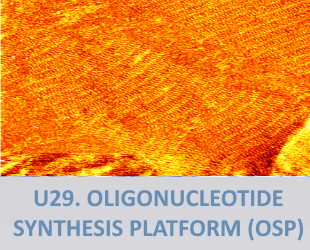
U29. Oligonucleotide Synthesis Platform (OSP)

U2 CAbS-hybridoma clone

Ciber bbn

U29. Oligonucleotide Synthesis Platform (OSP)

  • Scientific Director: Prof. Ramon Eritja: recgma@cid.csic.es
  • Scientific Coordinator: Dr. Anna Aviñó: aaagma@cid.csic.es
  • Entities: Institute of Avanced Chemistry of Catalonia (IQAC), Spanish National Research Council (CSIC)
  • Address: Jordi Girona, 18-26, 088034, Barcelona, Spain
  • Phone: +34 934 006 145
  • Web: IQAC- CSIC

IQAC CSIC

Order request

Description

This unit is coordinated by the Nucleic Acids Chemistry Group at the Institute for Advanced Chemistry of Catalonia (IQAC), Spanish National Research Council (CSIC) and has the equipment needed for the production of oligonucleotides at low scale (mg to mg), purification, characterization and post-synthesis modification. The service counts with laboratories for synthesis and modification of oligonucleotides including DNA/RNA synthesizer, analytical and semi-preparative HPLC equipment for the purification and characterization of oligonucleotides. The service will focus in providing expert opinion to researchers as well as the production of tailored oligonucleotides. Routine synthesis of oligonucleotides used as primers will not be produced as there is a large number of commercial sources that provide a quick and low price service. The oligonucleotide synthesis platform will focus in providing modified oligonucleotides (ONs) that are difficult to obtain from commercial sources. These include microgram to milligram amounts of DNA and RNA derivatives carrying several modifications as well as oligonucleotide conjugates carrying lipids, membrane-receptors ligands, carbohydrates and peptides designed for therapeutic or diagnostic purposes. The facility benefits from the wide experience of Prof. Ramon Eritja that has more than 30 years expertise in the development of modified oligonucleotides.

Active projects

Ref Title Fundin Organism Role
CTQ2017-84415-R STUDY OF ADN STRUCTURES WITH BIOMEDICAL POTENTIAL MINECO Coordinator

Other projects

Ref Title Fundin Organism Role
SBPLY/17/180501/000376 Development and validation of new intelligent administration systems of RNAs in the injured spinal cord: application in a neuroprotective therapy based on miR-138 Junta de Castilla-La Mancha Participant
BIO2017-92113-EXP New tailored microRNA-based antifungal agents for crop protection MINECO - Explora- Participant
CA17103 CA17103 Delivery of antisense RNA therapeutics (DARTER) C.C.E.E. COST Action Participant
AC18/00046 Monitoring of Acquired Brain Injury and recovery of biomarkers by the combined label-free NanoSensing of multiple circulating molecules (ABISens). Euronanomed-III (ERA-Net cofund action on Nanomedicine) Participant
CSIC-COV19-041 Point-of-care tests for the rapid detection of SARS-CoV-2 (POC4CoV) Consejo Superior de Investigaciones Científicas (CSIC) Participant
Prometeo/2020/081 Use of microRNA modulators as experimental therapies in type 1 myotonic dystrophy Generalitat Valenciana Participant

Publications

2019

“Synthesis of oligonucleotides carrying nucleic acid derivatives of biomedical and structural interest” Eritja, R., Aviñó, A., Fàbrega, C., Alagia, A., Jorge, A.F., Grijalvo, S. In “Enzymatic and chemical synthesis of nucleic acid derivatives” (Fernández Lucas and Camarasa Eds) Willey-VCH Verlag, Weinheim (Germany), pp 237-258, (2019).

Cationic niosomes as non-viral vehicles for nucleic acids. Challenges and opportunities in gene delivery. Grijalvo, S., Puras, G., Zárate, J., Sainz-Ramos, M., AL Qtaish, N., López, T., Mashal, M., Attia, N., Díaz Díaz, D., Pons, R., Fernández, E., Pedraz, J.L., Eritja, R.  Pharmaceutics, 11(2), 50 (2019).

“Parallel clamps and polypurine hairpins (PPRH) for gene silencing and triplex-affinity capture: design, synthesis and use” Aviñó, A., Eritja, R., Cuidad, C., Noe, V. Current Protocols on Nucleic Acid Chemistry, e78 (2019).

“Efficient bioactive oligonucleotide-protein conjugation for cell-targeted cancer therapy” Aviñó, A., Unzueta, U., Cespedes, M.V., Casanova, I., Vázquez, E., Villaverde, A., Mangues, R., Eritja, R. ChemistryOpen, 8, 382-387 (2019).

“The small interfering RNAs (siRNAs) in cancer therapy: nano-based approach” Mahmoodi Chalbatani, G., Dana, H., Gharagouzloo, E., Grijalvo, S., Eritja, R., Logsdon, C.D., Memari, F., Miri, S.R., Rad, M.R., Marmari, V. Int. J. Nanomedicine, 14, 3111-3128 (2019).

“The origins and the biological consequences of the Pur/Pyr DNA•RNA asymmetry” Terrazas, M., Genna, V., Portella, G., Villegas, N., Sánchez, D., Arnan, C., Pulido-Quetglas, C., Johnson, E., Guigó, R., Brun-Heath, I., Aviñó, A., Eritja, R., Orozco, M. Chem., 5, 1619-1631 (2019).

“On the race for more stretchable and tough hydrogels” Grijalvo, S., Eritja, R., Díaz Díaz, D. Gels, 5, 24 (2019).

“Gene delivery to the rat retina by non-viral vectors based on chloroquine-containing cationic niosomes” Mashal, M., Attia, N., Martínez-Navarrete, G., Soto-Sánchez, C., Fernández, E., Grijalvo, S., Eritja, R., Puras, G., Pedraz, J.L. J. Control. Rel., 304, 181-190 (2019).

“Study of conformational transitions of i-motif DNA using time-resolved fluorescence and multivariate analysis methods” Benabou, S., Ruckebusch, C., Sliwa, M., Aviñó, A., Eritja, R., Gargallo, R., de Juan, A.  Nucleic Acids Res., 47, 6590-6605 (2019).

“Expanding the limits of amide-triazole isosteric substitution in bisamide-based physical gels” Tautz, M., Torras, J., Grijalvo, S., Eritja, R., Saldías, C., Alemán, C., Díaz Díaz D. RSC Adv., 9, 20841-20851 (2019).

“Aptamer-peptide conjugates as a new strategy to modulate human α-thrombin binding affinity” Aviñó, A., Jorge, A.F., Huertas, C.S., Cova, T.F.G.G., Pais, A., Lechuga, L.M., Eritja, R., Fàbrega, C. Biochim. Biophys. Acta (General subjects), 1863, 1610-1630 (2019).

“Cationic niosome-based hBMP7 gene transfection of neuronal precursor NT2 cells to reduce the migration of glioma cells in vitro” Attia, N., Mashal, M., Grijalvo, S., Eritja, R., Puras, G., Pedraz, J.L. J. Drug Delivery Science Technol., 53, 101219 (2019).

“Stabilization of c-KIT G-quadruplex DNA structures by the RNA polymerase I inhibitors BMH-21 and BA-41” Mazzini, S., Gargallo, R., Musso, L., De Santis, F., Aviñó, A., Scaglioni, L., Eritja, R., Di Nicola, M., Zunino, F., Amatulli, A., Dallavalle, S. Int. J. Mol. Sci., 20, 4927 (2019).

“Alginate hydrogels as scaffolds and delivery systems to repair the damaged spinal cord” Grijalvo, S., Nieto-Díaz, M., Maza, R.M., Eritja, R., Díaz Díaz, D. Biotech J., 14, e1900275 (2019).

“A pH-dependent bolt involving cytosine bases located in the lateral loops of antiparallel G-quadruplex structures within the SMARCA4 gene promotor” Benabou S., Mazzini, S., Aviñó, A., Eritja, R. Gargallo, R. Sci. Rep., 9, 15807 (2019).

2018

Selective depletion of metastatic stem cells as therapy for human colorectal cancer. Céspedes, M.V., Unzueta, U., Aviñó, A., Gallardo, A., Álamo, P., Sala, R., Sánchez-Sardi, A., Casanova, I., Mangues, M.A., Lopez-Pousa, A., Eritja, R., Villaverde, A., Vázquez, E., Mangues, R. EMBO Mol. Med., 10, e8772 (2018).

DNA-based nanoscaffolds as vehicles for 5-fluoro-2’-deoxyuridine oligomers in colorectal cancer therapy. Jorge, A.F., Aviñó, A., Pais, A.A.C.C., Eritja, R., Fàbrega, C. Nanoscale, 10, 7238-7249 (2018).

Exploring PAZ/3’-overhang interaction to improve siRNA specificity. A combined experimental and modeling study. Alagia, A., Jorge, A.F., Aviño, A., Cova, T.F.G.G., Crehuet, R., Grijalvo, S., Alberto Pais, A.A.C.C., Eritja, R. Chem. Sci., 9, 2074-2086 (2018).

DNA origami-driven lithography for patterning on gold surfaces with sub-10 nanometer resolution. Gállego, I., Manning, B., Prades, J.D., Mir, M., Samitier, J., Eritja, R. Adv. Mat., 29, 1603233 (2017).

Glucose-nucleobase pseudo base pairs as a new biomolecular interaction in a DNA context. Vengut-Climent, E., Gómez-Pinto, I., Lucas, R., Peñalver, P., Aviñó, A., Fonseca-Guerra, C, Bickelhaupt, F.M.., Eritja, R., González, C., Morales, J.C. Angew. Chem. Int. Ed. Engl., 55, 8643-8647 (2016).


News U29

15 Nov

Happy Day of Chemistry! The role of Chemistry in a sustainable research in health

Today, November 15 is a day of celebration for us, the Day of the Chemistry in Spain! Chemistry is the science that studies matter, how it is composed, its properties and how its structures are transformed and, as matter is everything, including living beings and ourselves, we can say that chemistry is omnipresent and transversal in all areas surrounding us. Chemistry is everywhere, we ourselves are chemistry and our health and our life is chemistry. “Everything around us is chemistry in the environment, foods, what we use and what we touch every day. Our own body is a sophisticated complex[...]
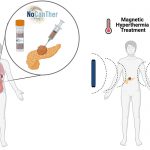
27 Jul

1st Nanomedicine Forum of CIBER-BBN/NANBIOSIS and CSIC Nanomed Conection

During the days 30 of June and 1st of July took place in Barcelona, in the auditorium of the Institute of Advanced Chemistry of Catalonia (IQAC-CSIC), the 1st Forum on Nanomedicine gathering scientists from the CSIC net Nanomed Conection and from the CIBER-BBN and its ICTS NANBIOSIS. This forum brought toguether researchers from the most eminent national research centers in nanomedicine, that during the two days meeting presented their works and findings and discussed the impact of nanomedicine in the fields of drug delivery, diagnosis and therapy. The workshop was open by the Director of IQAC-CSIC,  Jesús Joglar, the  Scientific Coordinator[...]

03 May

OPEN SUBMISSION FOR JOURNAL SPECIAL ISSUE ON OLIGONUCLEOTIDE BASED THERAPIES

Dr. Ramon Eritja, Scientific Director of NANBIOSIS unit 29 of Oligonucleotide Synthesis Platform (OSP) and Dr. Santiago Grijalvo researcher at NANBIOSIS unit 12 of Nanostructured liquid characterization, from CIBER-BBN and IQAC-CSIC, together with Dr. Andreia F. Jorge, from Coimbra Chemistry Centre (CQC), acting as guest editors of journal Pharmaceutics, of MDPI Publisher, welcome authors to submit their articles on special issues on Recent Trends in Oligonucleotide Based Therapies. In the past few decades, significant efforts have been made towards the clinical application of oligonucleotides. However, the potential of the therapeutic applications of RNA-based strategies have recently been spotlighted after the first approval of mRNA vaccines in response to COVID-19[...]

02 May

Wide representation of NANBIOSIS research in NALS 2022 and best Oral Presentation to Eloi Parladé

During the last 27-29 April, the 3rd International Conference on Nanomaterials Applied to Life Sciences 2022 (NALS 2022) has taken place in the Excellence Campus of Universidad de Cantabria in Santander (Spain), organized by the University of Cantabria and Institute Valdecilla-IDIVAL. NALS 2022 has been a multidisciplinary conference series sharing new results and ideas in the fields of biosensors, lab on a chip, drug delivery nanopharmacy. nanobiotechnology, intelligent nanomaterials, magnetic materials, nanotoxicity, antimicrobials, novel applications of 3d bioprinting and nanoimaging. NANBIOSIS has been represented at this edition by members of several of its units, among them we must highlight the set of four ora[...]

27 Apr

OPEN SUBMISSION FOR FRONTIERS IN CHEMISTRY SPECIAL ISSUE ON NUCLEIC ACID-BASED APTAMERS IN THERAPEUTICS AND DIAGNOSTICS

Dr. Anna Aviñó, Scientific Coordianator of NANBIOSIS unit 29 of Oligonucleotide Synthesis Platform (OSP) and Dr. Carme Fàbrega from the Nucleic Acid Chemistry group from CIBER-BBN and IQAC_CSIC, together with Dr. Claudia Riccardi from the University of Naples Federico II, Dr. Stefania Mazzini from University of Milan, and Dr. Raimundo Gargallo from the University of Barcelona, acting as guest editors of the journal Frontiers in Chemistry, welcome authors to submit their articles on special issues on Nucleic Acid-Based Aptamers in Therapeutics and Diagnostics. Nucleic acid‐based aptamers are short DNA or RNA sequences able to adopt specific three‐dimensional architectures. The high affinity and selectivity shown for a selected target, as well as t[...]

21 Apr

The coming revolution: synthetic DNA and RNA for therapeutic and diagnostic applications

The discovery of the mRNA vaccines for the treatment of coronavirus, as well as new medicines for the treatment of genetic diseases, has been important in the quest of solutions for undrugable diseases in an unexpected short-time. Thus, the chemical modifications of nucleic acids with diagnostic and therapeutic purposes is now a reality, a revolution that promises to give hopes on unsolved medical problems or optimize previous approaches, largely due to the research push for the development of mRNA vaccines against SARS-CoV-2 infection. Now, the prestigious “The Chemical Record” journal has invited the Nucleic Acids Chemistry group, of IQAC-CSIC and[...]

10 Jan

U29.-Oligonucleotide-Synthesis-Platform
DNA nanotechnologists are in mourning

At the end of the XXth century Nanotechnology appeared as one of the more powerful technologies for the future. At that time material sciences were able to produce nanomaterials with exquisite size control and atomic force, microscopy was able to visualize objects in the nanoscale and photolithography arrived to their physical limits in the preparation of computer chips threatening Moore’s law. This empirical law saying that as transistor components shrank, the number per chip doubled about every 18 months, was acting from 1971  (Intel’s first chip) to billions in the present times.  At these times, one crucial development was t[...]

24 Dec

Two great scientists and excellent people pioneers on Nucleic Acids Chemistry

Nucleic Acid Chemistry is an interdisciplinary discipline that combines organic chemistry, biochemistry, pharmacology, materials chemistry and biophysics. It started soon after the Watson–Crick model of DNA with the synthesis of the first dinucleotide, published in 1955. However, in the last decade, this field has blossomed, with the demonstration that Nucleic Acid Chemistry can provide innovative solutions to health problems such as vaccination, pathogen detection, and the treatment of metabolic or genetic diseases as well as providing important tools for the interrogation of cellular mechanisms. Profesor Ramon Eritja, Scientific director of the Oligonucleotides Synthesis Platform U29 from ICTS NANBIOSIS will chair[...]

U29. Oligonucleotide Synthesis Platform
Read More